Bulk Landscape Materials, Sorted by the Pairs People Mix Up
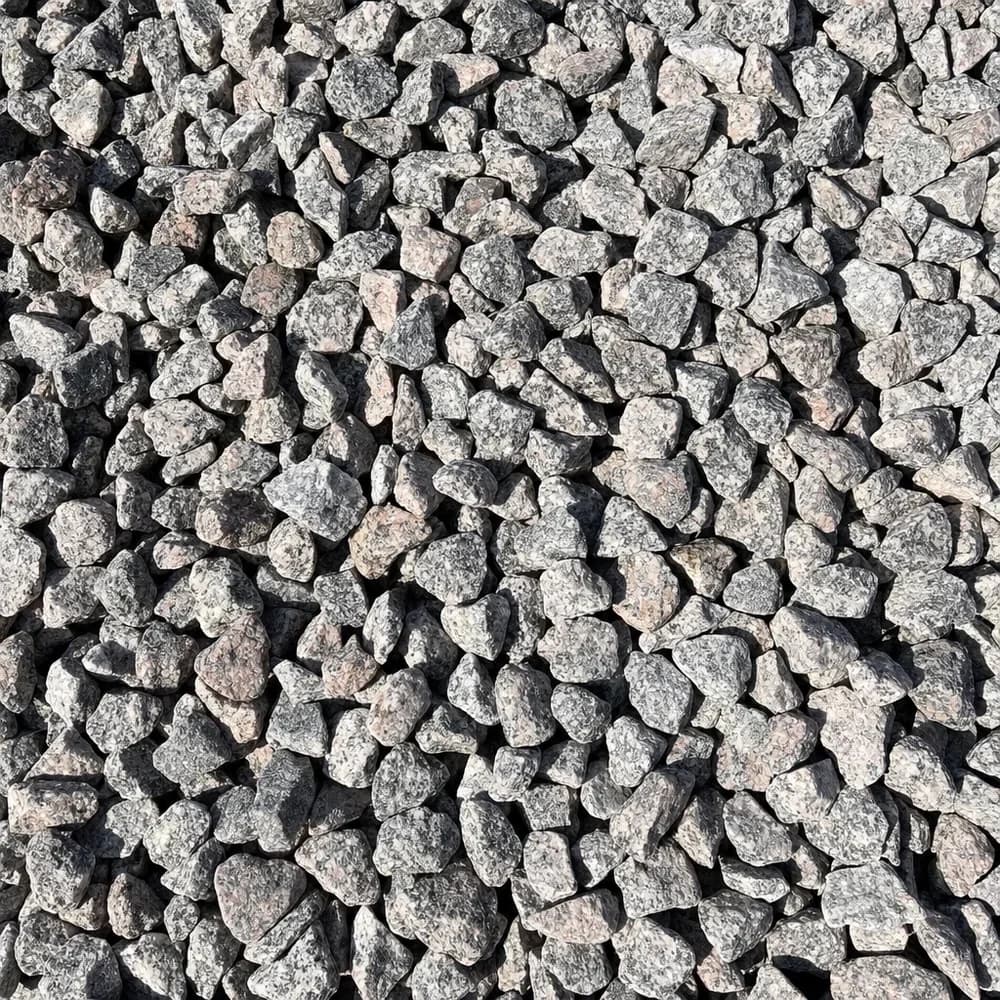
Driveway Gravel
Driveway Gravel gives Colorado driveways a firm crushed-stone surface that packs tightly for regular traffic and lets water move through. Size: 3/4 inch. Grading: Graded mix of stone sizes. Type: Crushed stone.
Free Delivery
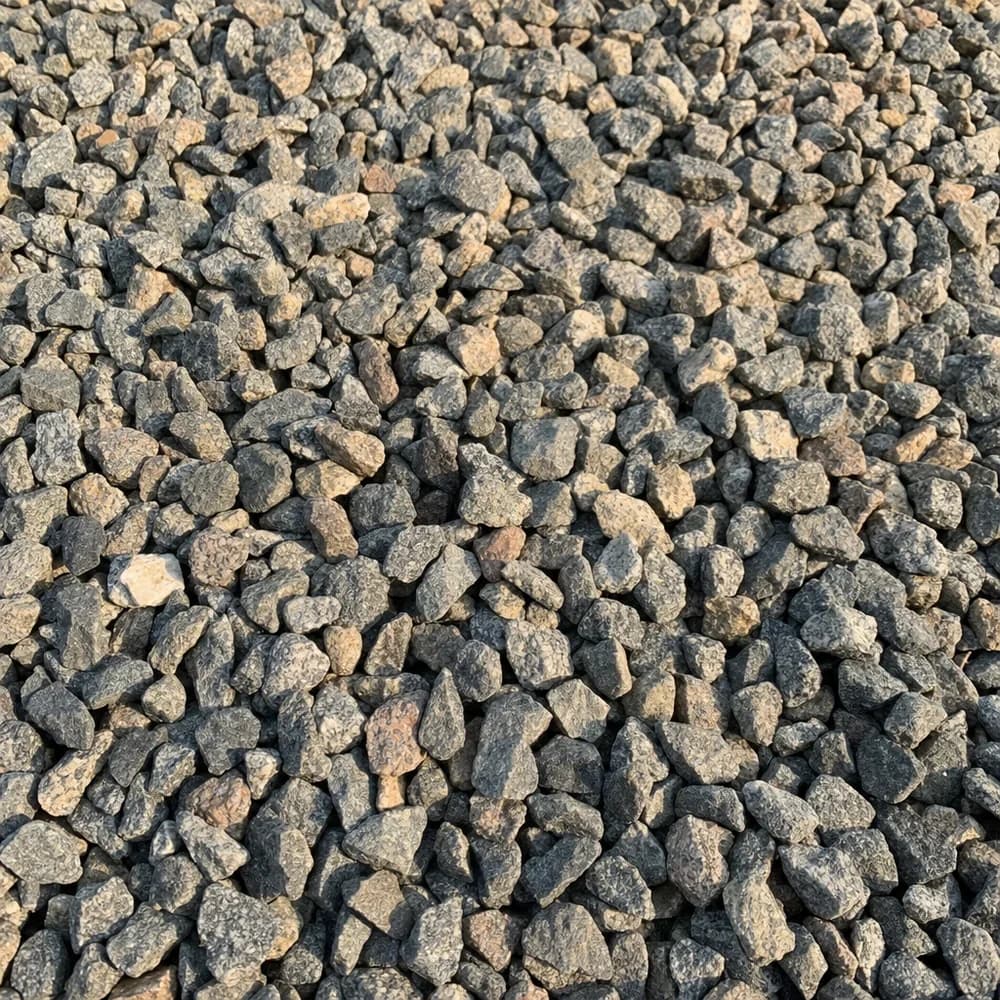
Walkway Gravel
For a mountain walkway facing spring melt, Walkway Gravel gives Colorado gardens a clean path surface that lets water move through. Size: 3/8 inch. Grading: Graded mix of stone sizes. Type: Crushed stone.
Free Delivery
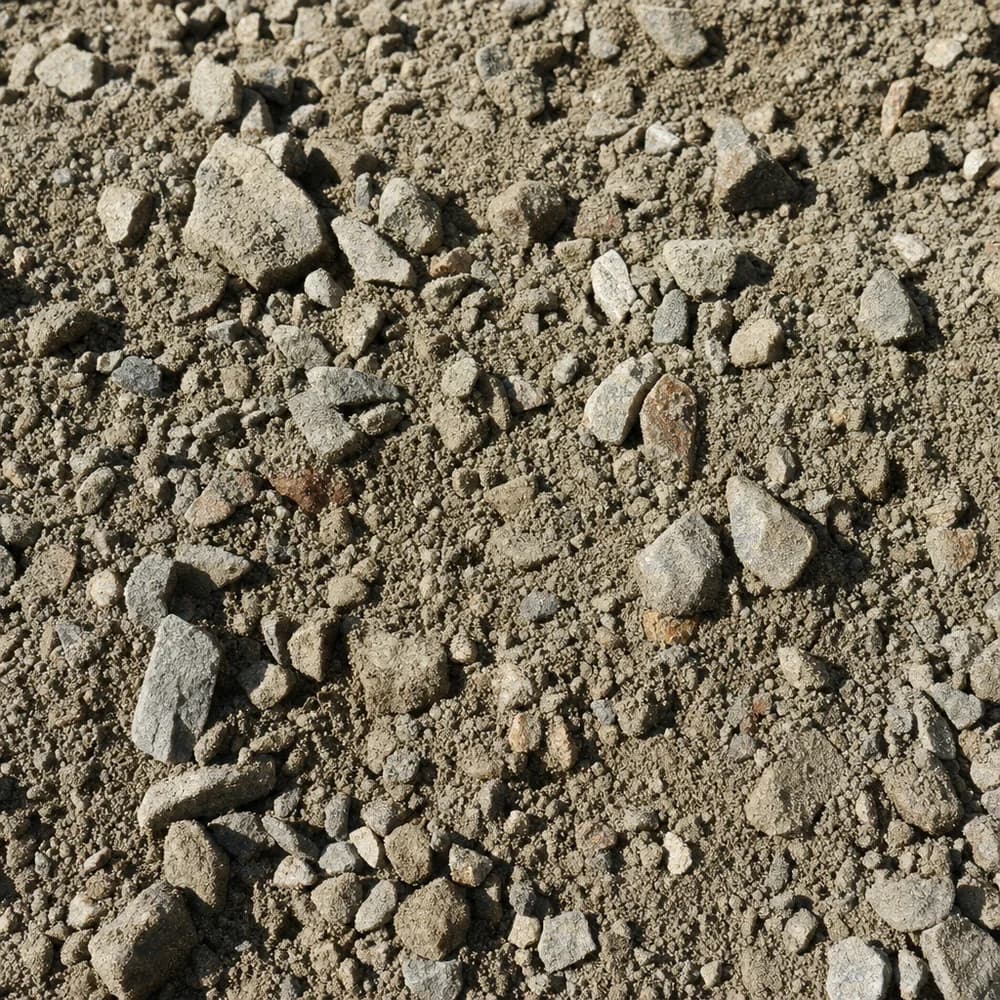
Crusher Run
Colorado Crusher Run compacts into a firm base for driveways and patios where spring melt and freeze-thaw can disturb ground. Size: 3/4 inch minus. Grading: Crushed stone blended with stone dust and fine particles. Type: Angular crushed stone.
Free Delivery
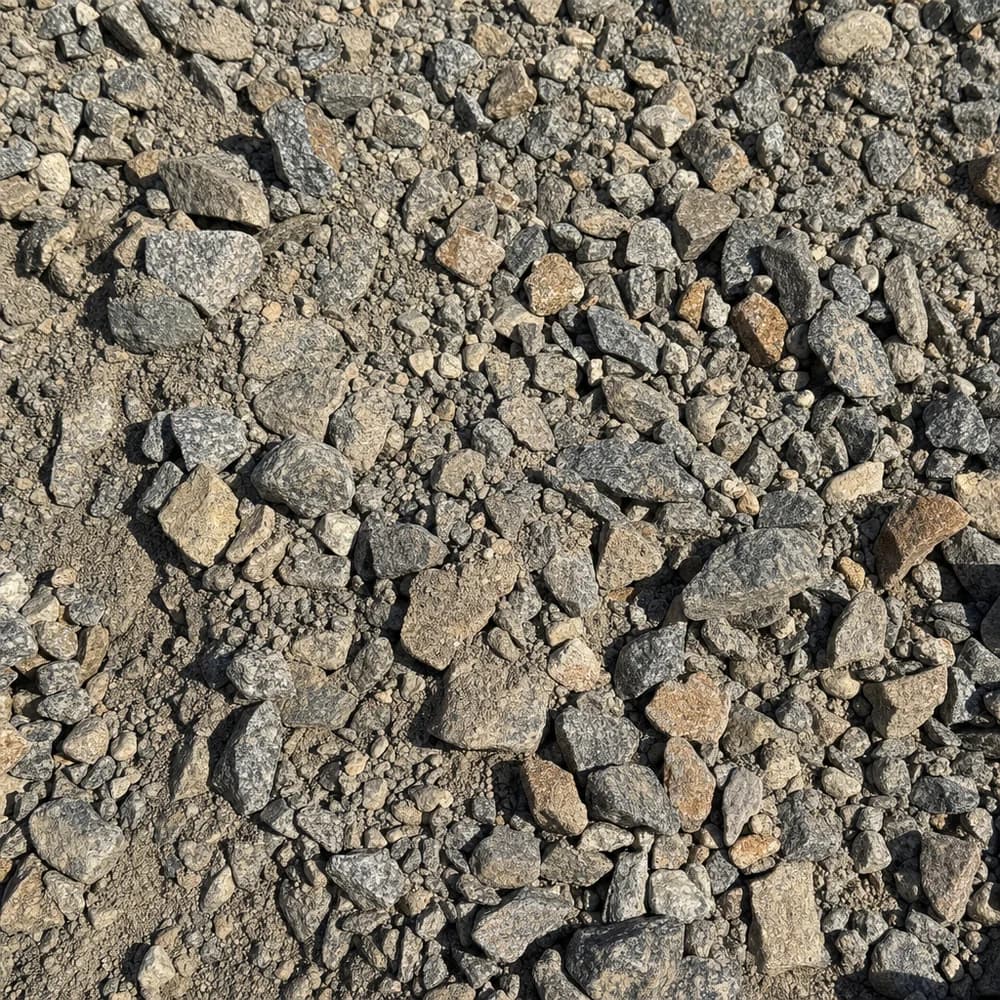
Class 6 Road Base
Class 6 Road Base compacts into a firm foundation for Colorado driveways and access areas carrying regular heavy traffic. Size: 3/4 inch minus. Grading: Graded mix of crushed stone, gravel and binding fines. Type: Crushed aggregate blend.
Free Delivery
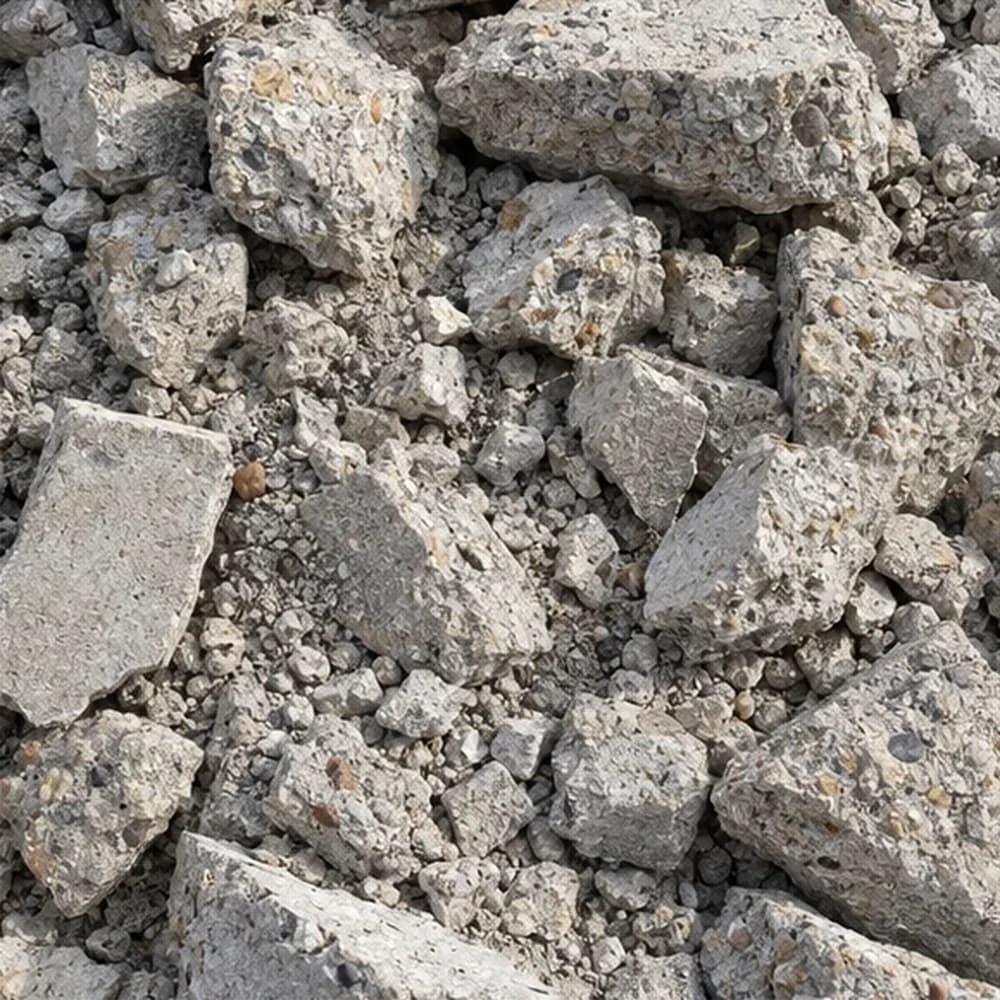
Crushed Concrete
Crushed Concrete has angular broken pieces and fines that pack into a firm base for Colorado driveways, parking pads, and access routes. Size: 1-1/2 inch minus. Grading: Angular pieces blended with fines. Type: Recycled crushed concrete.
Free Delivery
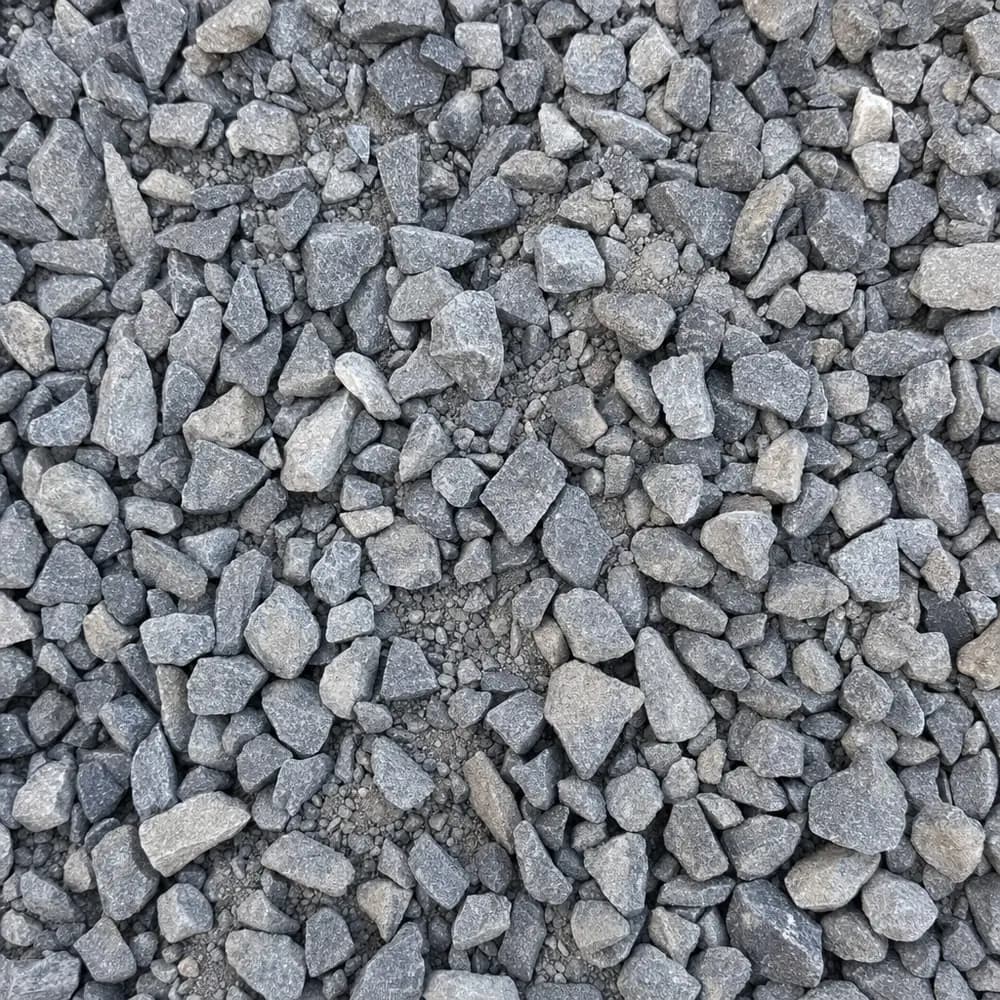
Gravel Sand
3/4 inch minus crushed stone blended with fine stone dust. Compacts tightly to create a rock-solid base for driveways, patios, and construction projects.
Free Delivery
Tip two of these out on a tarp and several look near enough alike. They do not behave alike once clay swells under them and a week of freeze-thaw works at whatever water got in. Most bulk landscape materials ordered twice on one job are ordered twice because the first load was the neighboring product. Here are the pairs that cause it.
Class 6 against Crusher Run when a CDOT number is on the plan sheet
Both compact, both carry fines, and either will hold a surface up. Class 6 Road Base is 1 inch minus, a graded mix of crushed stone, gravel and binding fines, and it is the grade Colorado plan sheets call out by CDOT number for drives, parking pads and shed floors. A CDOT class number is plan-sheet vocabulary for the material, not a certification this storefront carries. Crusher Run is 3/4 inch minus with stone dust through it and packs tight under patios and smaller pads. Spec work goes to the class number. General base work takes either.
Crusher Fines or Crusher Run, when the names are one word apart
These two get swapped in carts more than anything else here. Crusher Fines is 1/4 inch minus, stone dust and fine particles, and it is a finishing layer: trail surfaces, an inch screeded under flagstone, joint filling. Masons here call it squeegee when it is used as bedding. Crusher Run is structural material with stone in it. Ordering fines where base was meant gives you a smooth layer over nothing.
#57 Stone, #67 Stone or Drain Rock, in a trench that has to keep working
All three are clean and washed, which is the whole point in a French drain through tight clay. #57 Stone runs 3/16 to 1 inch, #67 Stone is finer at 1/4 to 3/4 inch and finishes beds neatly, and Drain Rock is 3/4 to 1-1/2 inch washed to remove fines and dust, which is the one behind a retaining wall or in a drywell. The wrong pick here is any material carrying dust: it silts the voids closed and the drain quits.
Pea Gravel or 3/8 inch Crushed Stone, on a path people walk barefoot
Same rough size, opposite shape. Pea Gravel is naturally rounded at about 3/8 inch, comfortable underfoot and the usual choice for play areas, which is also why it rolls and travels. 3/8 inch Crushed Stone is angular, so it keys together and stays where it is put over a compacted base. Rounded for comfort, angular for a surface that holds a line.
Top Soil, Garden Soil or Fill Dirt, when the grade is wrong
Order by the job, not by the look. Fill Dirt is screened, low in organic matter, and it is what raises a grade or backfills an excavation, because it settles rather than decomposing. Top Soil is screened balanced sand, silt and clay for the upper few inches under seed or sod. Garden Soil is compost-enriched for raised beds and planters, which matters in the alkaline, low-organic ground common here. Fill the hole with dirt, finish the top with soil.
River Rock, Large River Rock or RipRap, where runoff is doing the deciding
Decorative choice becomes an engineering choice on a slope. River Rock at 1 to 3 inches is bed cover and borders. Large River Rock at 2 to 4 inches is the cobble that holds a dry creek bed together through a monsoon storm. RipRap starts at 4 inches and goes up, and it is what armors a scouring bank or a culvert outlet after snowmelt. If water moves fast across it, size up.
The rest of the catalogue, by the job it does
Not everything sits in a pair. Driveway Gravel surfaces a compacted drive and Walkway Gravel does the same for paths, while 3/4 inch Crushed Stone is the angular clean stone for a pad or trench. #4 Crushed Stone and Railroad Ballast open up an equipment pad or construction entrance; #8 and #89 Crushed Stone fill paver joints. Mason Sand beds mortar and play areas, Washed Sand goes into concrete and backfill, and Shredded Mulch finishes beds.
Sizes and gradings sit on every product page. Once the material is settled, the material calculators apply each product's own weight per cubic yard, and delivery is arranged at checkout from the ZIP code you enter.
Common questions
The tonnage came out between two whole numbers. Which way do I go?
Up, on anything that compacts. Base and crusher run lose apparent volume under a plate, and running half a ton short at the end of a lift means a second delivery for material you could have carried in the first. On decorative stone in a bed with fixed edges, order the closer figure, because the surplus has nowhere to go but a corner of the yard.
My landscaper said squeegee but the catalogue says Crusher Fines. Same thing?
Same product, two jobs and two habits of speech. Crusher Fines is the catalogue name for the 1/4 inch minus material; squeegee is what it gets called at the bedding end of the trade, under flagstone or pavers. Order Crusher Fines and you will get what the quote meant. Crusher Run is a different product despite the similar name.
Can decorative rock go down in the cold months, or does everything wait for spring?
Rock and mulch can go down in a mild winter stretch, since neither needs compaction. Anything structural waits. Base has to be compacted damp on unfrozen ground, and a lift placed over frost slumps once the ground thaws under it. Late spring through fall is the window for drives, pads and anything that carries a load.
The xeric bed I am filling has a curved edge running along the fence. How do I get a tonnage out of that?
Square it off to the outside edge and enter that as a rectangle, or split it into a rectangle plus a circle and enter both as separate areas. The calculator takes up to five areas at once. A little over on a curved bed is easier to deal with than a bare patch at the far end.