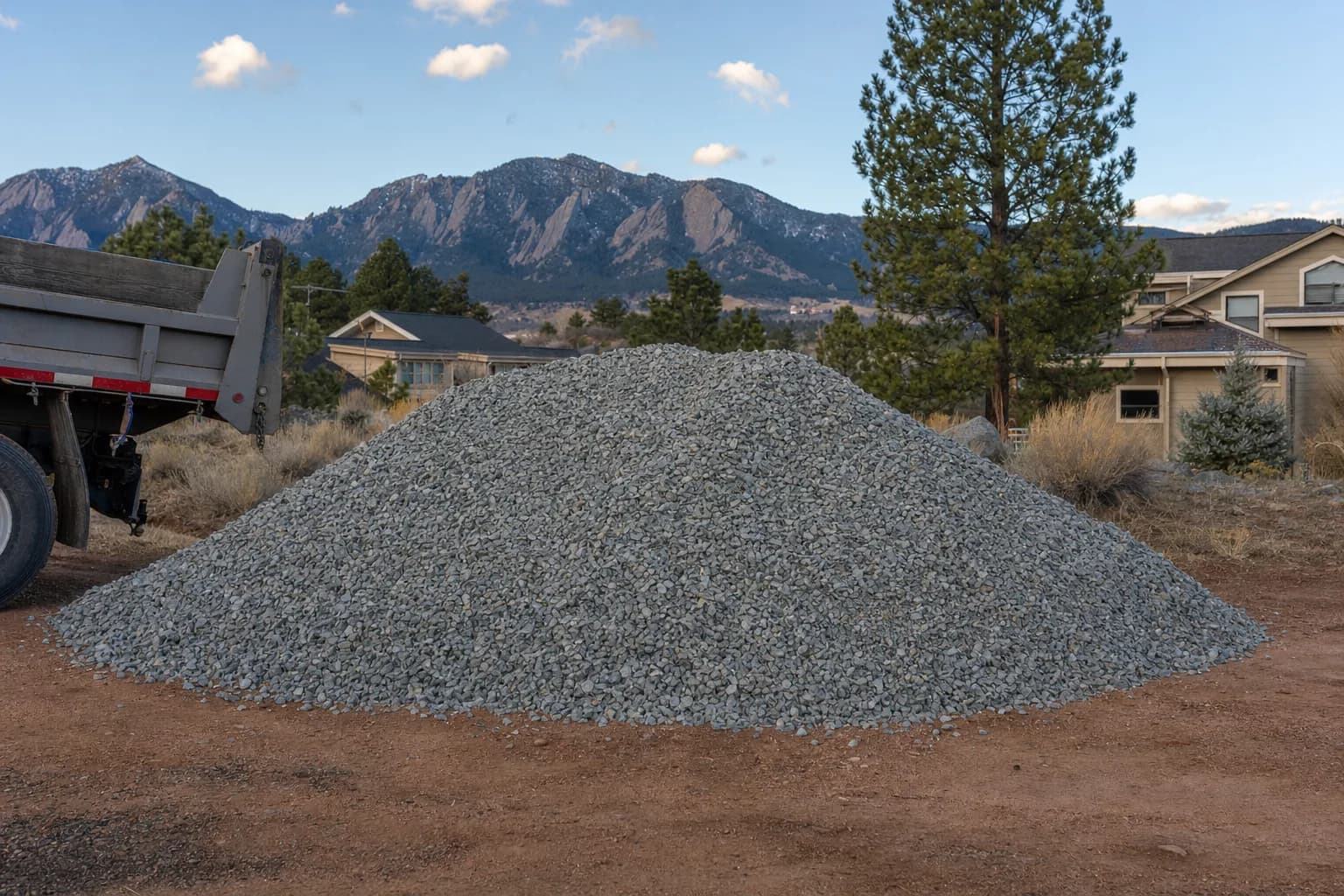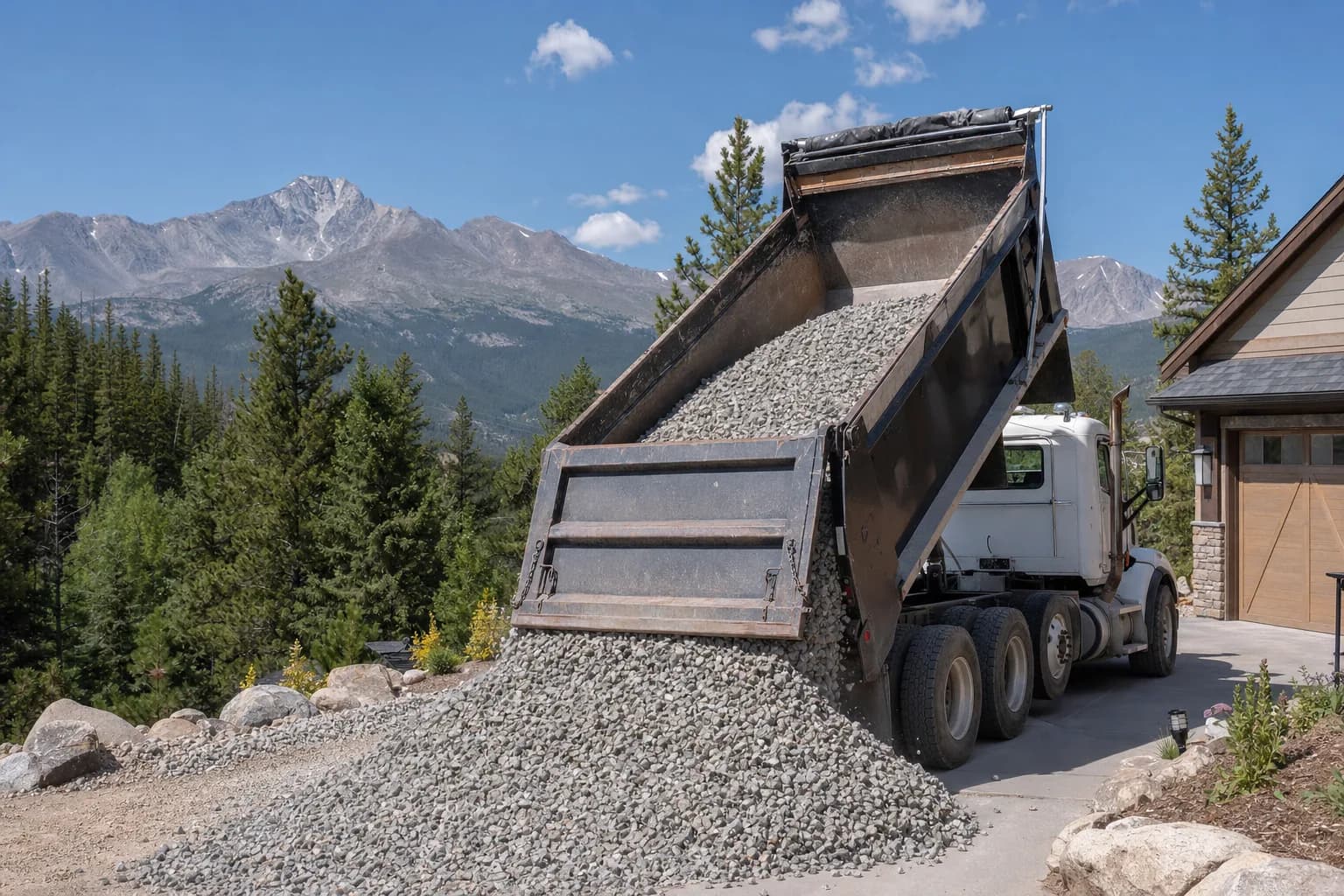
Gravel Delivery for Colorado Ground That Moves Every Winter
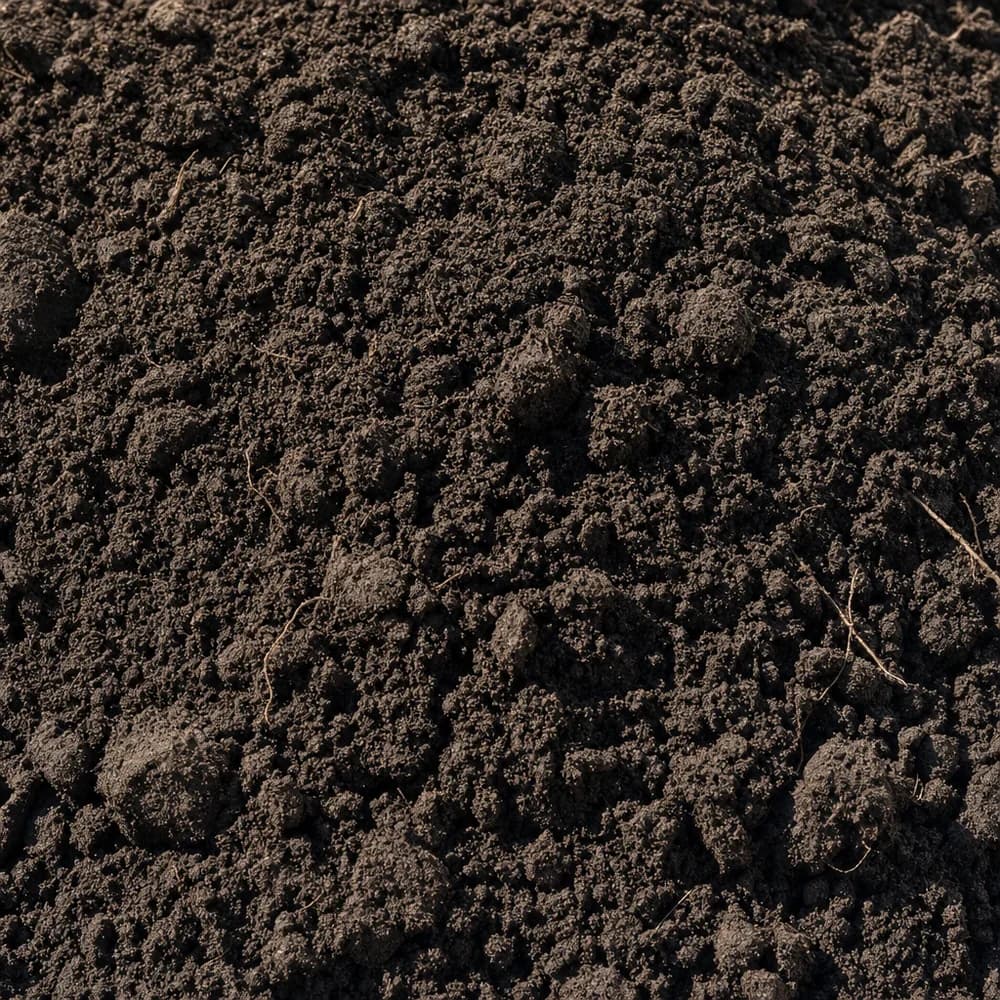
Crushed stone, river rock, topsoil, and more, with delivery in as fast as 2 business days.
Why Choose Colorado Rock Supply
Materials for homeowners and contractors across Colorado
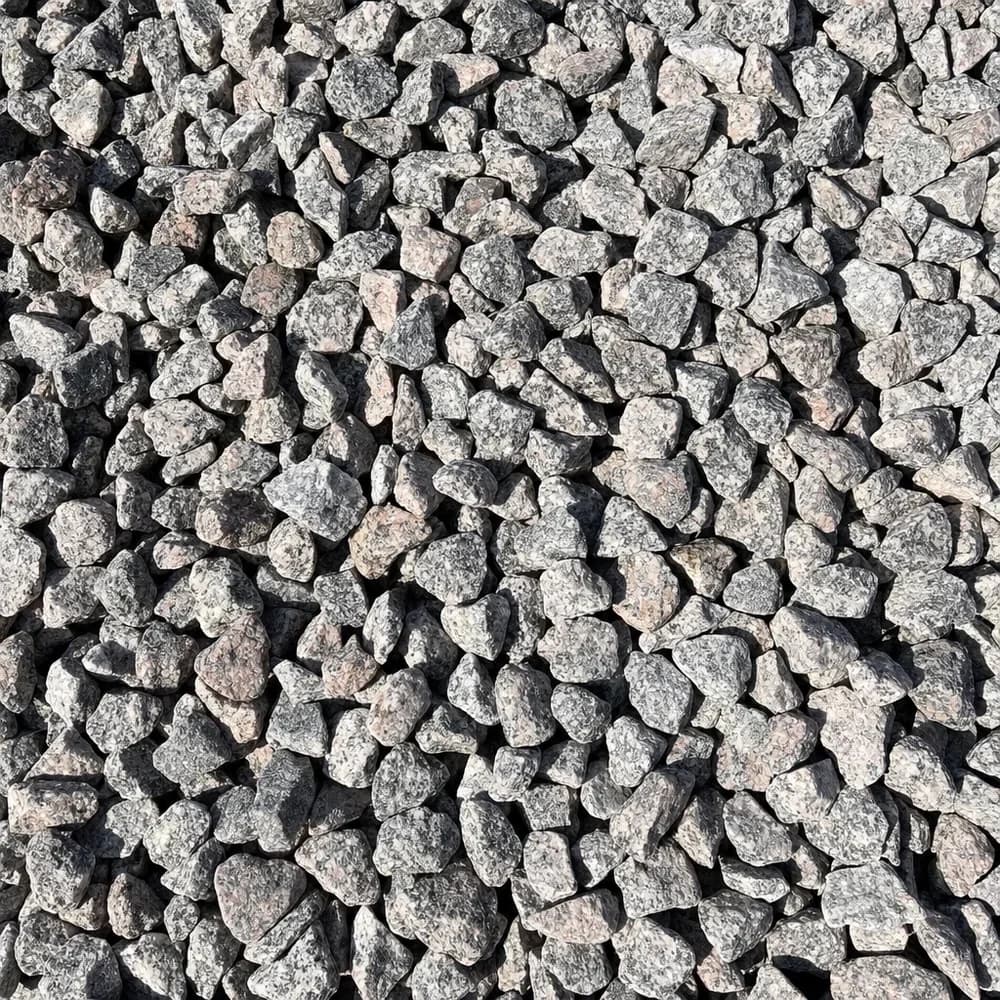
Aggregate Materials
Aggregate options for a range of projects.
Per-Ton Pricing
See the per-ton price for each material before you order.
Fast FREE Delivery
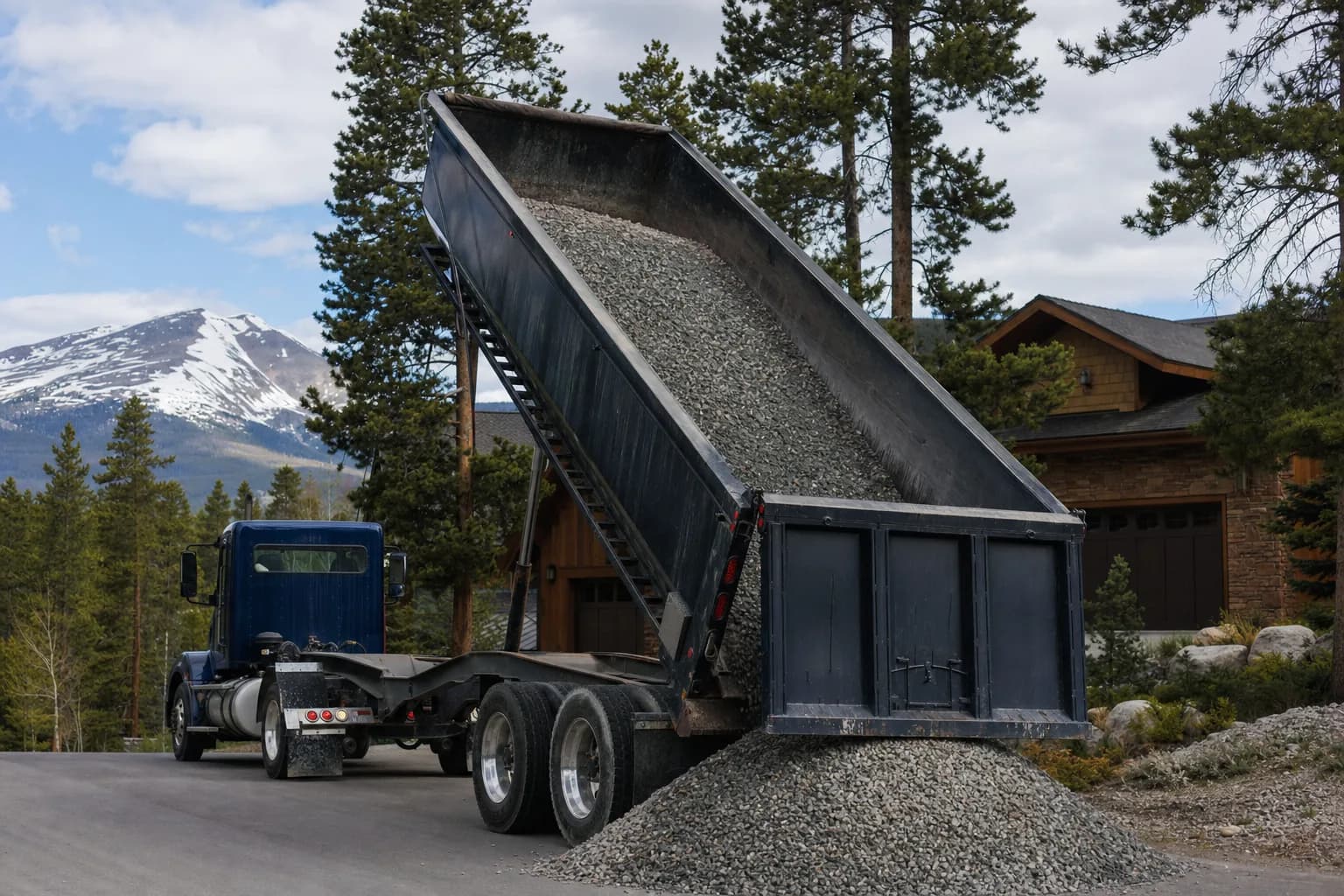
Get free dump truck delivery across Colorado, in as fast as 2 business days.
Customer Satisfaction
Get dedicated help by phone, email, or text.
Aggregate delivery across Colorado
Free delivery across Colorado, including Denver, Colorado Springs, Aurora, Fort Collins and Lakewood.
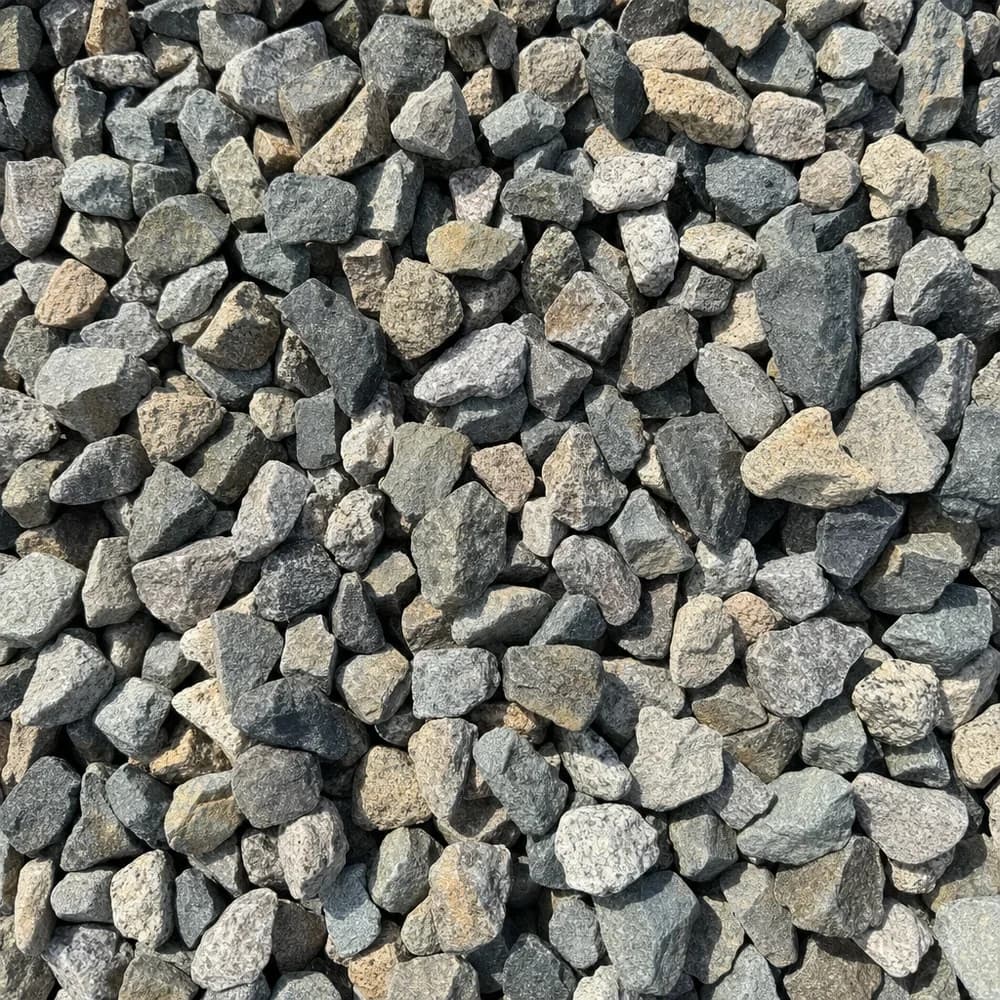
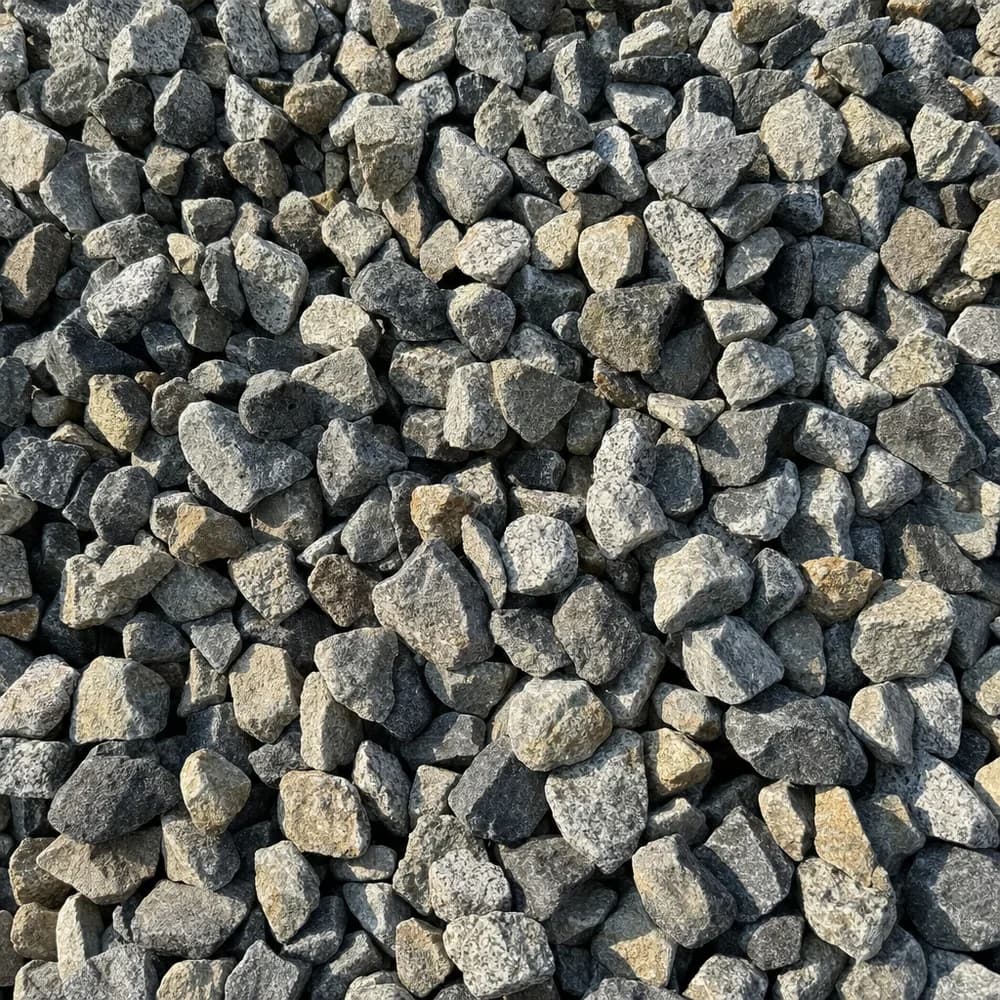
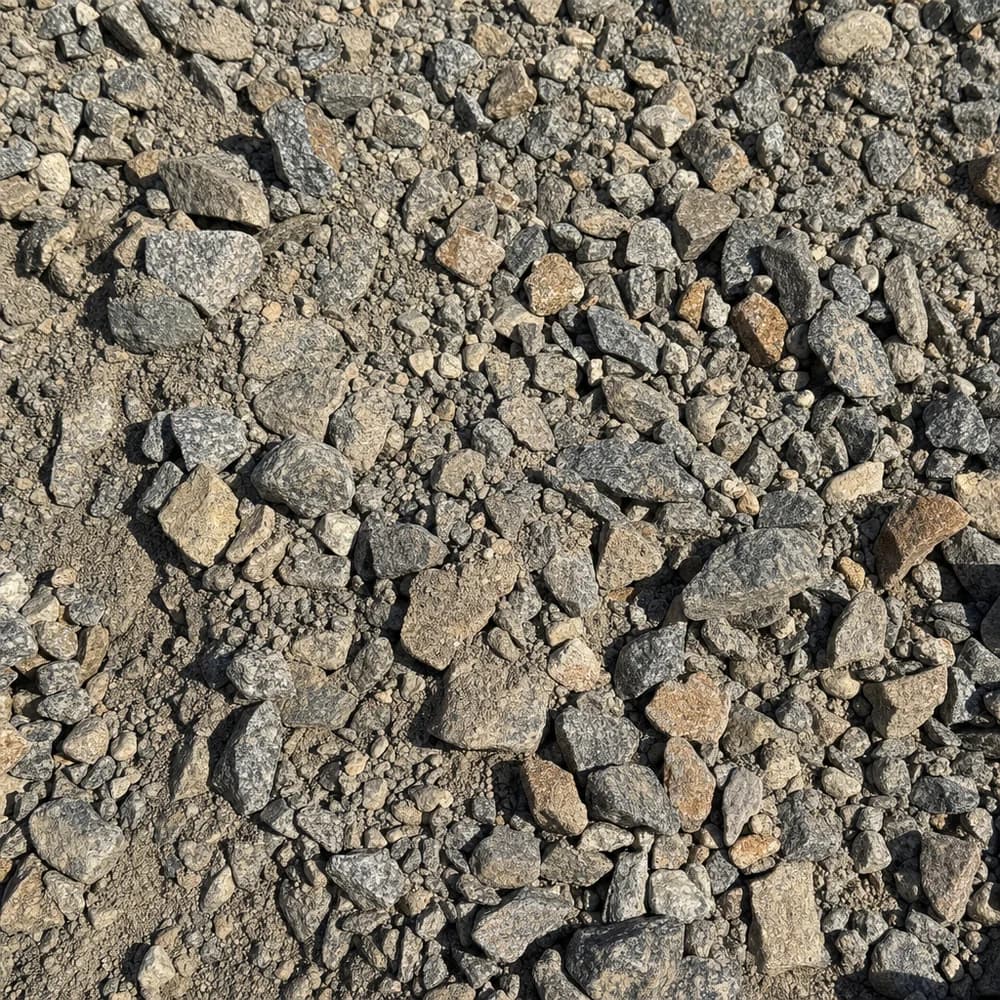
Stone commonly used in Colorado includes granite, gneiss and sandstone. Orders are delivered by dump truck to jobs from the Front Range, the Rocky Mountains and the I-70 mountain corridor, with delivery included in the price.
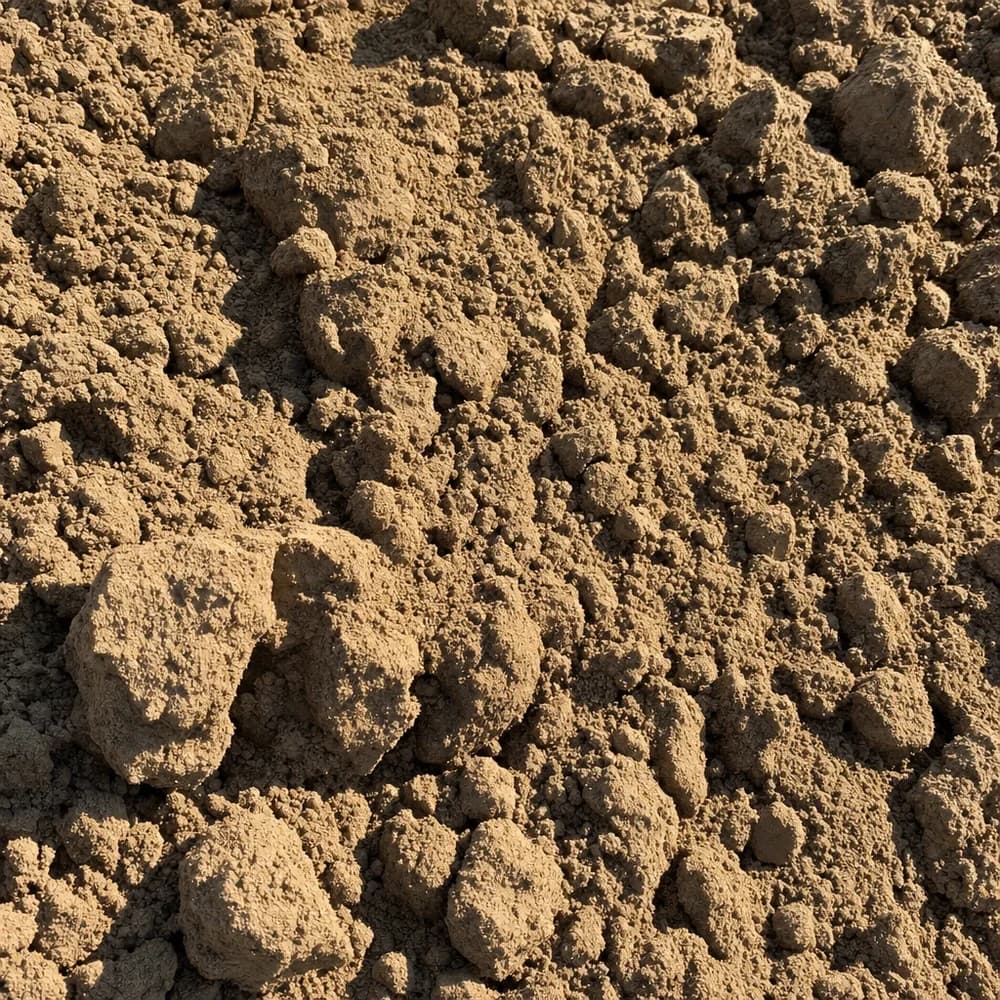
Common projects here include mountain driveways that have to survive spring melt, xeriscape beds and French drains through Front Range clay. Front Range soils are heavy clay over decomposed granite, so a driveway that skips a compacted base heaves in the spring melt. Depth of base matters more here than the choice of surface stone. Frost goes to about 36 inches in Colorado, so plan base depth around it.
What we call it in Colorado
If your project follows an engineering or road-agency spec, compare it with the size and grading listed on each product page.
Quickly Calculate How Much You Need
Simple Ordering Steps
Choose Your Aggregate
Look through our catalogue to choose a product that fits your project.
Work Out Your Order
Our calculator helps you determine how much gravel to order in a few simple steps.
Checkout and Get Delivery
Enter your information, and we'll deliver your order right to your door through a straightforward process.
Walk your drive in late March and it will tell you what happened over the winter. Ruts that appear once the snowpack goes are not a surface problem. They are a record of water that got into the layer underneath, froze overnight, thawed by lunchtime and did the same thing again the next day. Expansive clay swells when it takes that water on and shrinks again when it dries, and nothing laid on top of it holds unless the layer below is thick enough and packed hard enough to ride the movement out. Gravel delivery here starts with that layer.
Four jobs go wrong more often than any others on Front Range and mountain ground. Each one has a material that settles it.
Ruts by the second spring, on a drive that skipped its base course
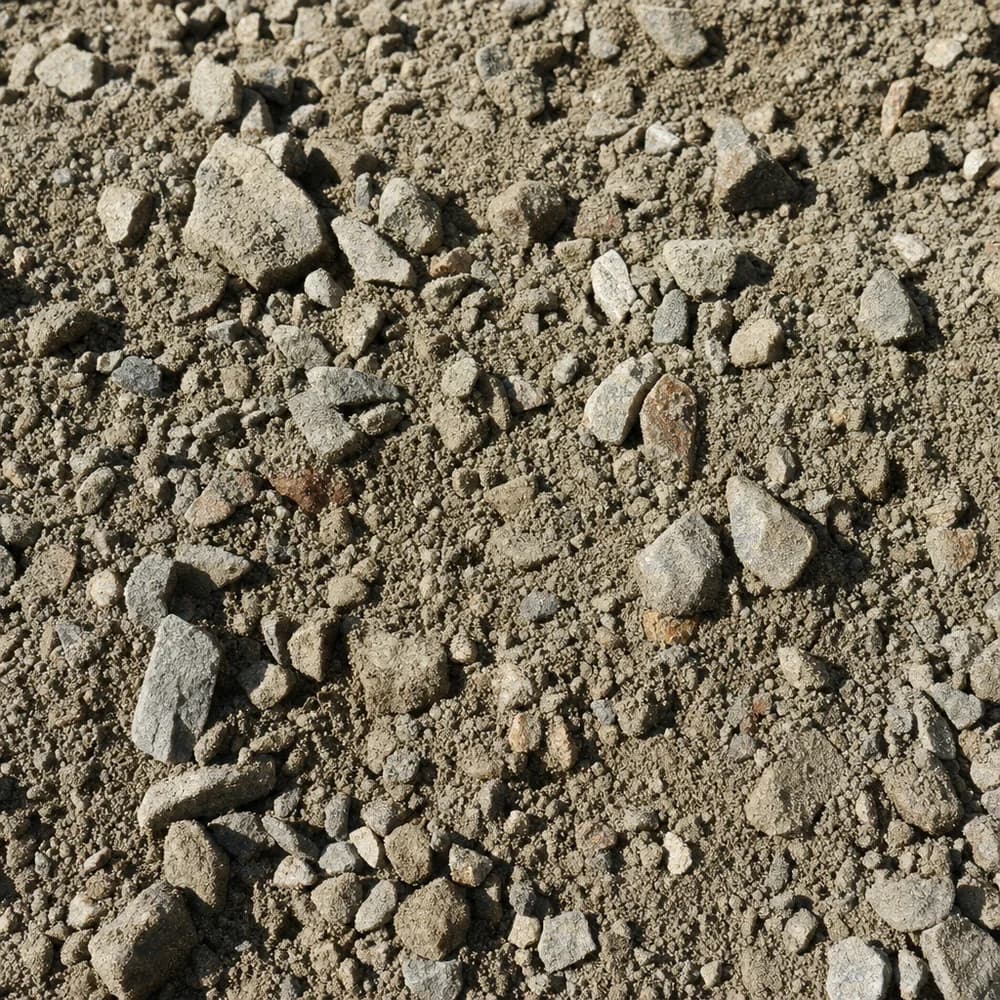
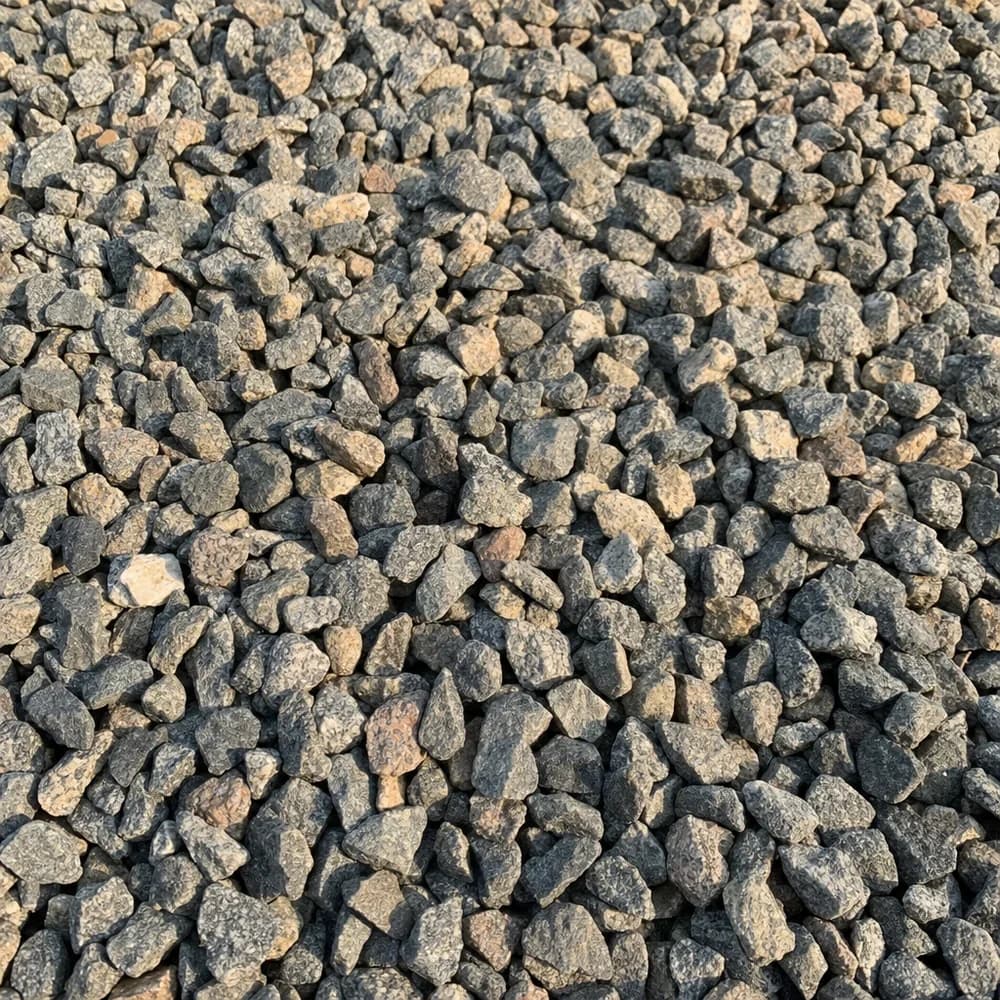
The usual cause is a load of surface stone tipped straight onto scraped clay. Colorado specifies base by CDOT class, and the one that ends up under most drives, parking pads and shed floors is Class 6 Road Base: 1 inch minus, a graded mix of crushed stone, gravel and binding fines that locks up under a plate compactor. A class number is how a plan sheet asks for material here, not a certificate that travels with the load, so hold the size and grading listed on the product page against whatever your sheet calls for.
Depths that hold: 4 to 6 inches compacted under cars and a half-ton truck, 6 inches and up under a pole barn or an equipment pad, placed in lifts of 3 to 4 inches and compacted damp. Then crown it so meltwater runs off instead of soaking in. If you want a loose surface over the top rather than bare base, that is Driveway Gravel at 2 to 3 inches.
A worked figure, hypothetical: a 10 by 40 foot single-car drive at 6 inches is 400 square feet, 200 cubic feet, 7.41 cubic yards. At roughly 3,000 lb per cubic yard that comes to about 11.1 tons.
Water standing against a foundation once the snowpack goes
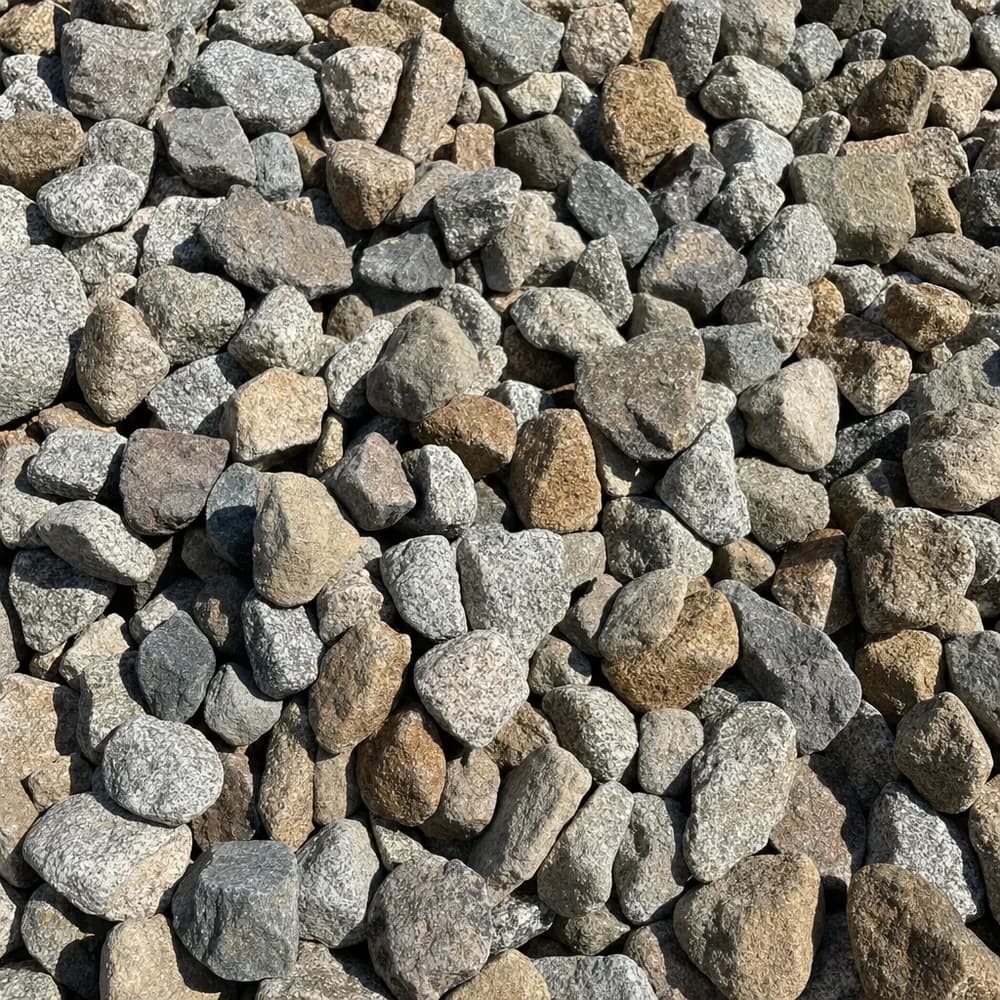
Tight clay does not take water away, so it sits where the grade lets it sit. A trench that has to move water wants stone with the fines washed out of it: Drain Rock at 3/4 to 1-1/2 inch behind a wall or in a drywell, or #57 Stone in a French drain, laid 12 inches deep or more.
The mistake worth avoiding is filling a drain with anything that carries dust. Fines silt the void space closed and the trench stops draining within a season or two.
Flagstone that rocks underfoot by the end of monsoon season
Bed stone on loose sand and the first hard August storm washes the sand out from under it. The local answer is Crusher Fines, 1/4 inch minus with the dust still in it, screeded to an inch and compacted damp. Masons here call the same material squeegee when it is being used as bedding. On a garden path it goes down about 2 inches over a compacted base, which is why so many trail surfaces in this state look and feel alike underfoot.
Xeric beds that end up at the bottom of the slope
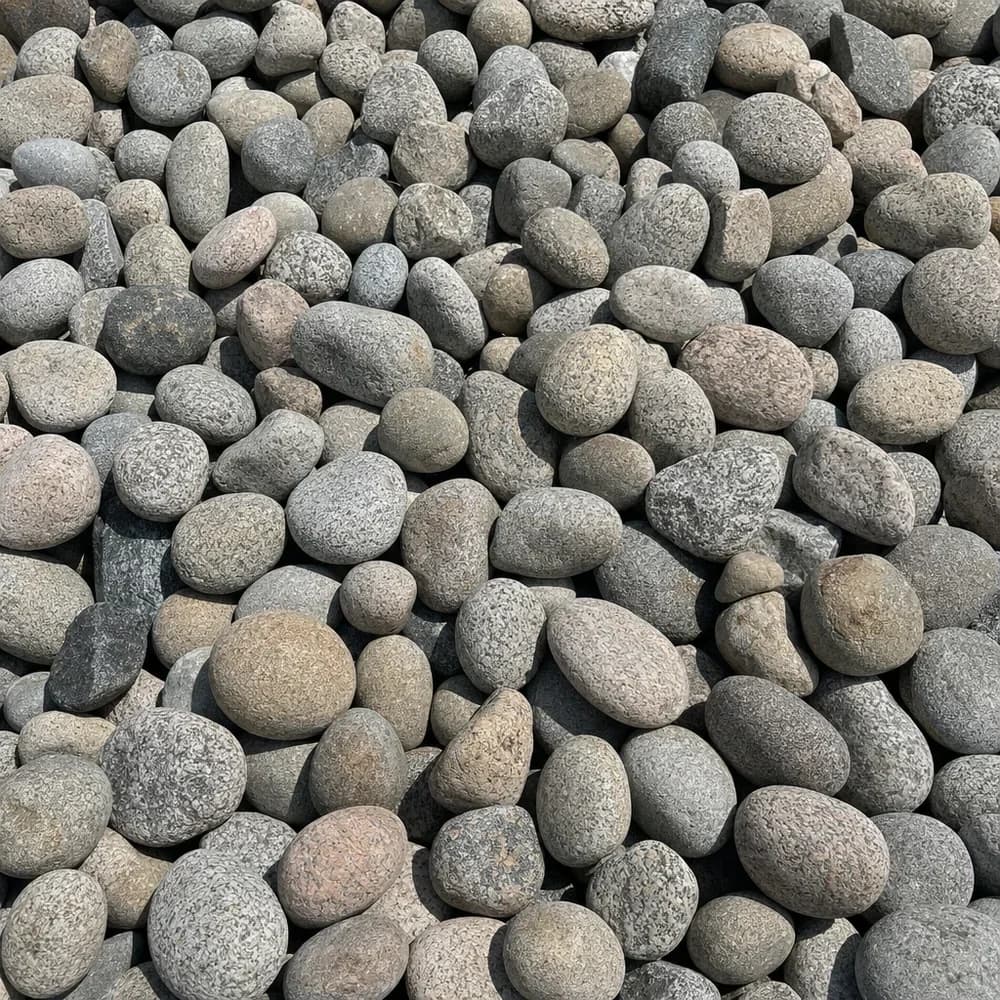
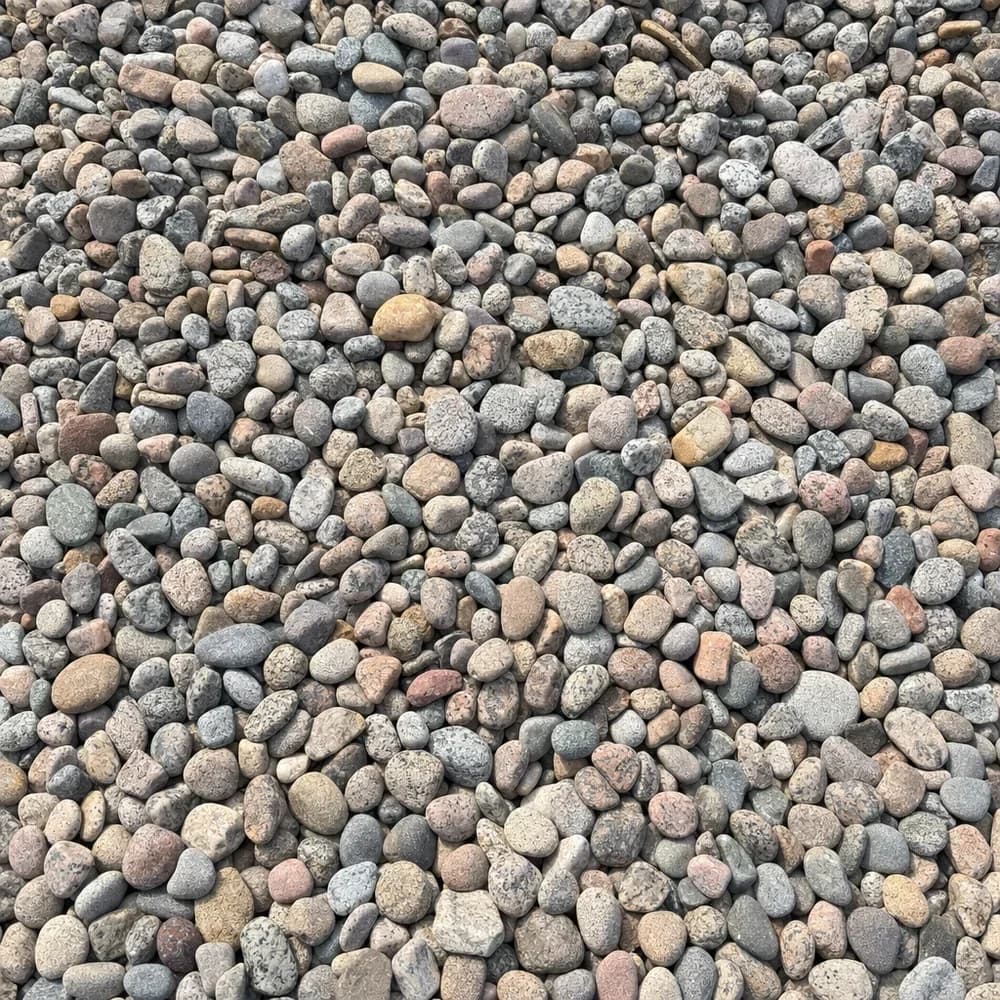
Runoff after snowmelt and short, intense summer storms is what moves landscape material downhill. On a swale or a culvert outlet the stone has to be heavy enough to stay put, which means RipRap at 4 inches and up, or Colorado cobble in the form of Large River Rock through a dry creek bed. Borders and bed cover that only have to look right are River Rock or pea gravel. Where planting has to survive altitude sun and dry wind, Shredded Mulch at 2 to 4 inches holds moisture better than stone does.
Turning a tape measure into gravel delivery you can book
The calculator takes a rectangle, a circle, or up to five separate areas for a drive that bends and widens. Length, width or diameter go in as feet, depth goes in as inches anywhere from 0.25 to 24, and the material select decides the weight. The box that adds 5 percent for compaction and spillage (10 percent on dirt, crusher run, road base and paver base) is ticked by default; leave it on for anything you plan to pack down. Results come back as cubic yards, tons and cubic feet.
From there, open the product page, set your quantity and pick a date. Delivery is arranged at checkout by ZIP code. Browse the full catalogue, run the numbers in the material calculator, or read how the tip works on the delivery page. The answers page collects the questions most orders raise, and how this storefront is put together covers what happens after checkout.
Four numbers worth keeping on the dash
- One cubic yard is 3 by 3 by 3 feet, and covers about 108 square feet at 3 inches deep.
- Road base and crusher run run about 3,000 lb per cubic yard, or 1.50 tons. Most washed stone and driveway gravel is nearer 2,800 lb, or 1.40 tons. Shredded mulch is about 600 lb, or 0.30 tons. Same space, very different loads.
- Frost reaches roughly 30 to 36 inches through much of the state. You are not digging below it. You are keeping water out of the layer so it has less to work with.
- Base and compaction work runs best from late spring through fall. Frozen ground will not compact, and a pile dropped on soft spring ground is harder to shift than it looks.
Common Questions
Answers to frequent questions about materials and services
Have any questions?
Our team can assist with quantity calculations, help you choose gravel suited to your application, and set up a delivery schedule that works for you.
Contact us