Top Soil: The Growing Layer, Not a Fix for the Clay Below
After settling into Colorado planting areas, Top Soil provides a clean, workable medium for starting lawns, gardens, and flower beds.
- Size: Screened; free of rocks, debris and large clumps
- Grading: Balanced sand, silt and clay
From $388 for 1 ton, delivery included
Larger loads cost less per ton: 500 tons is $32,530 ($65.06 per ton). Pick any quantity below for a delivered price.
Free delivery included
Free delivery anywhere in Colorado
Pick a delivery date
Weekday delivery, earliest Oct 20
Get a Free Quote
Fill out the form and our sales team will get back to you within the hour.
Size and Grading
- Size
- Screened; free of rocks, debris and large clumps
- Grading
- Balanced sand, silt and clay
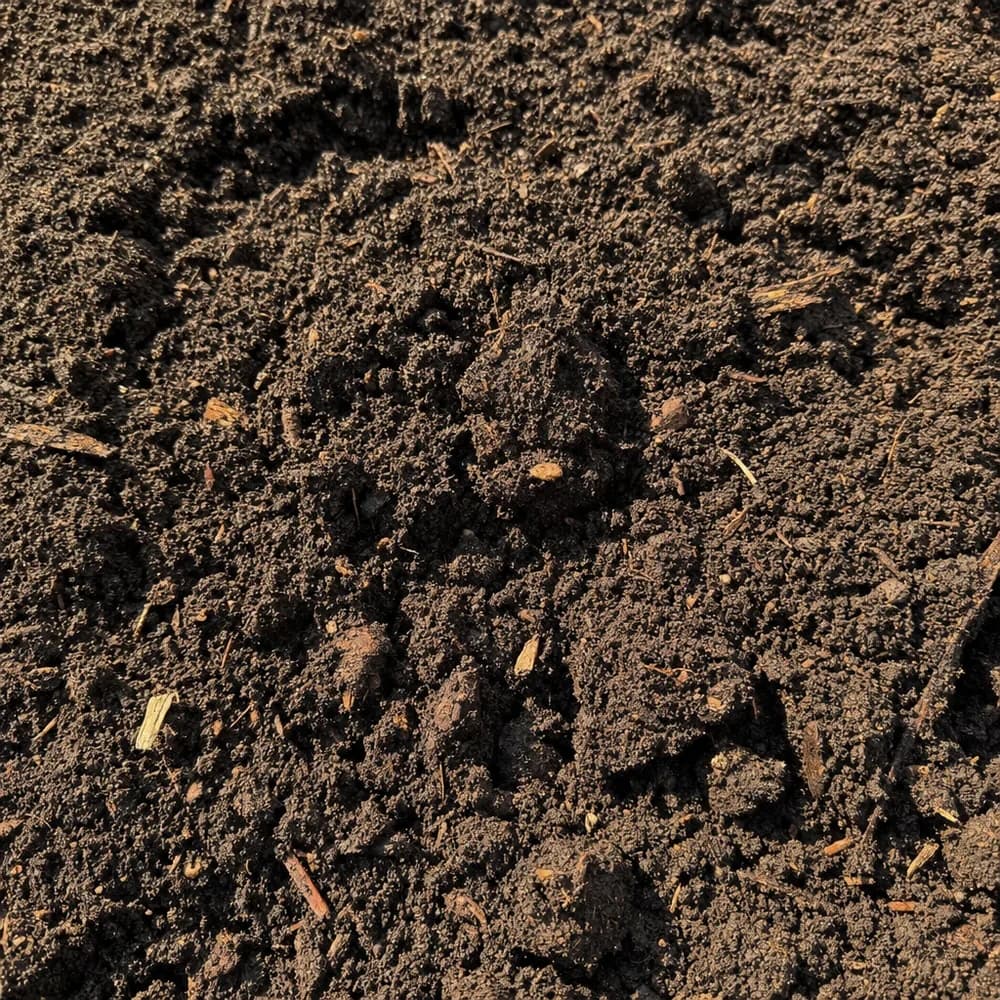
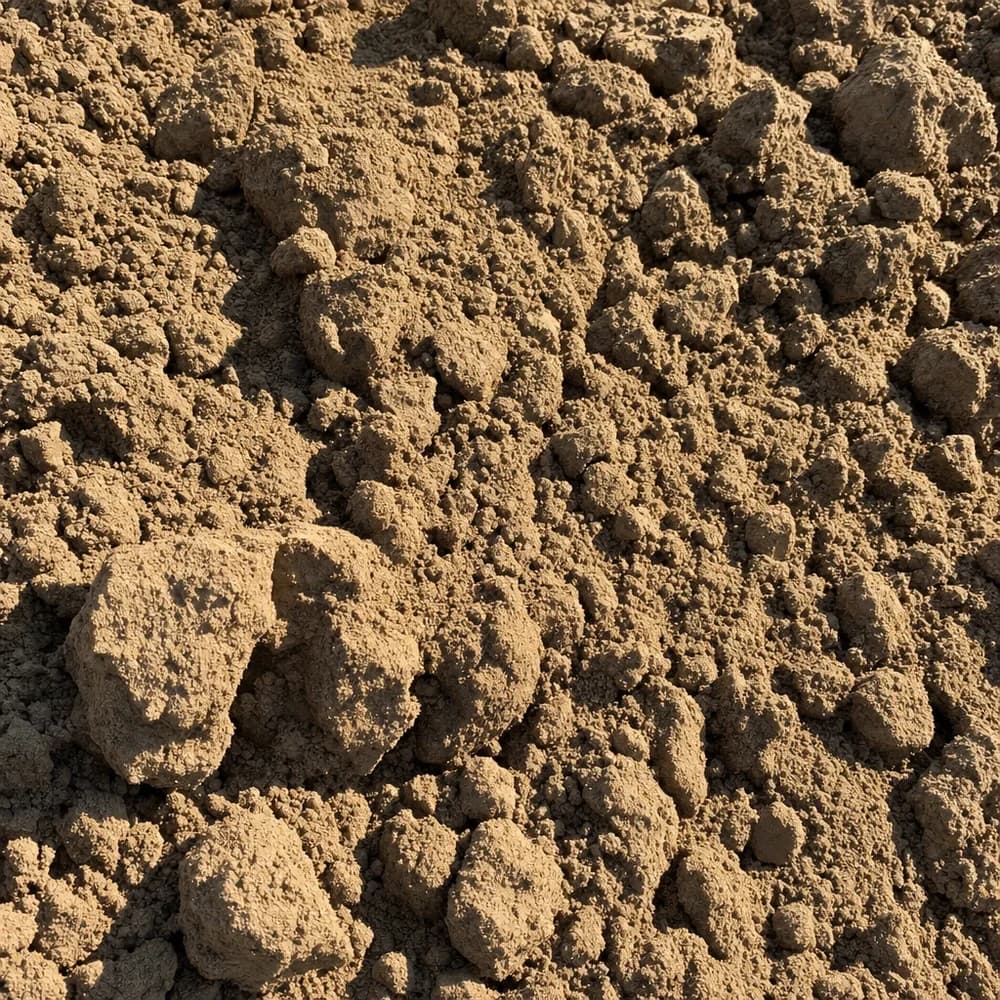
A new build on the Front Range usually hands the owner a back yard of scraped, compacted clay and not much else, and the first instinct is to order dirt. Which dirt matters more than the quantity does. Top soil is the finished growing layer that goes on last, and the two products people order by mistake instead are cheaper, heavier and completely unsuitable for anything you want to grow.
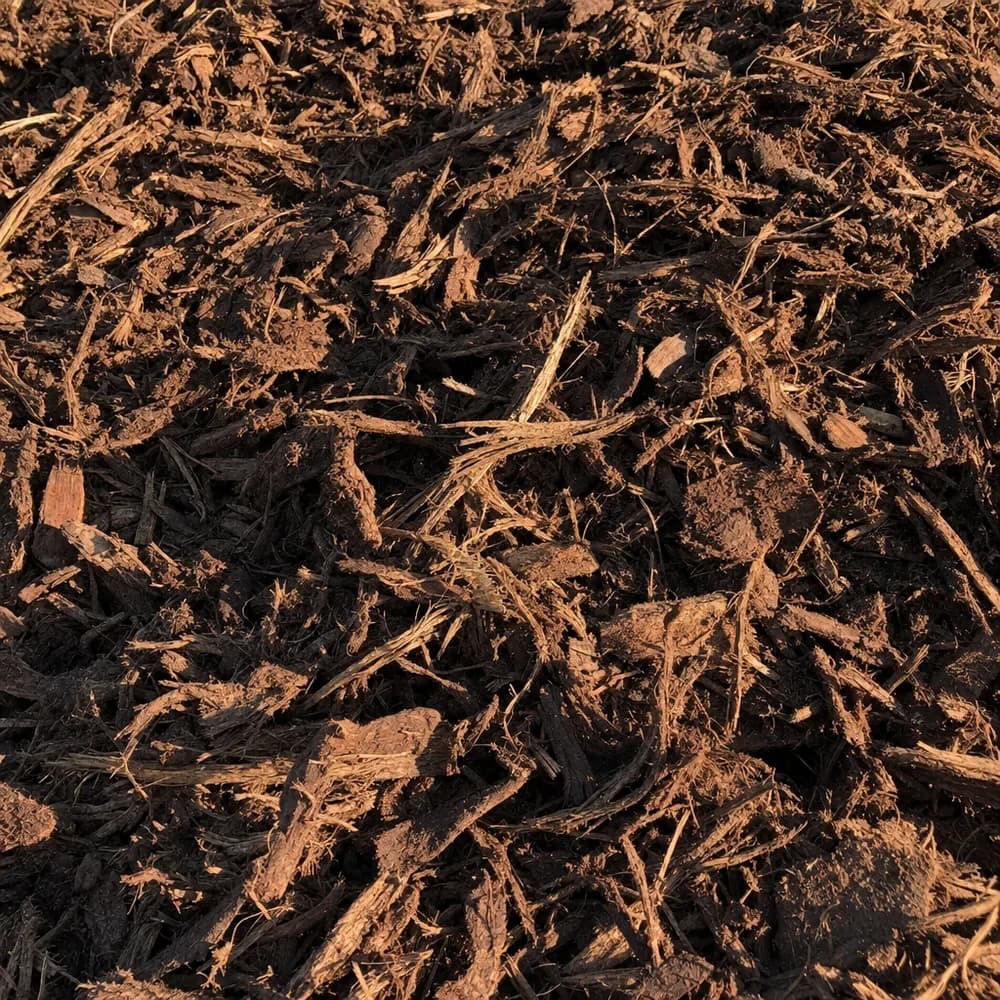
Which of the three soil products a scraped back yard actually needs
The spec here is plain enough to compare against the others: screened so it is free of rocks, debris and large clumps, with a balanced blend of sand, silt and clay.
- Top Soil is the layer roots start in. Screened, workable, and meant to be spread two to four inches deep over prepared ground.
- Fill Dirt is for volume. It raises grade, fills a hole or backfills against a structure, and it is not screened or intended to grow anything.
- Garden Soil is the raised-bed and planting-area product, for when the whole depth of the bed has to be growing medium.
Ordering the wrong one is expensive in labor rather than money, because you find out after the load is spread.
Late spring and early fall: the two windows a Colorado lawn gives you
Timing decides more here than soil quality does. Spread in late spring, once mud season has passed and the ground has dried enough to work, and new seed or sod has the whole growing season ahead of it before the heat sets in. Spread in early fall and the soil settles through the cooler weeks while the ground is still warm enough for roots to move.
The two stretches to avoid are the saturated weeks right after snowmelt, when working wet clay smears and compacts it into something worse than you started with, and the high heat of midsummer, when a thin new layer on alkaline, low-organic ground dries out faster than you can water it.
Breaking the clay crust before the load lands
Spreading screened soil over untouched compacted clay creates a sandwich: a soft layer sitting on a hard one, with a clean boundary between them that roots stop at and water sits on.
- Scarify or till the top two or three inches of the existing ground so the two layers can knit together.
- Pull out the construction debris, rock and old root mass while the surface is open.
- Shape the grade away from the house before any soil goes down, not after.
- Fill deeper low spots with fill dirt first, compacting as you go, and save the screened soil for the finished layer.
- Mark the dump spot on firm ground where a tarp can go down, so the driveway does not stain.
Beds, the verge beside a flagstone walk, and the worn patch by the play set
Three places the same load usually goes, sized as hypothetical examples.
Raised vegetable beds. Three beds at 4 by 12 feet, filled 11 inches deep: 4 x 12 x 11 / 12 = 44 cubic feet each, so 132 cubic feet in total, or 132 / 27 = 4.9 cubic yards. Beds this deep are normally filled with a planting mix rather than straight top soil, so treat this figure as the total volume and split the order between products.
The verge along a flagstone walk. Two strips 2 feet wide by 40 feet long, brought up 3 inches to meet the stone: 2 x 2 x 40 = 160 sq ft, 160 x 3 / 12 = 40 cubic feet, 40 / 27 = 1.5 cubic yards. Keep the finished soil level a touch below the stone so it does not wash across the walk in the first storm.
The worn patch around a play area. 16 by 20 feet at 2 inches: 320 sq ft, 320 x 2 / 12 = 53.3 cubic feet, 53.3 / 27 = 2 cubic yards. Bare, compacted ground under a swing set needs loosening first or the new layer simply skins over the old hardpan.
What one cubic yard of screened soil covers on a bare back lawn
A cubic yard is 27 cubic feet, and depth is what turns that into square feet:
| Spread depth | Coverage per cubic yard | Typical use |
|---|---|---|
| 1 in | 324 sq ft | Top-dressing an established lawn |
| 2 in | 162 sq ft | Under new sod on prepared ground |
| 3 in | 108 sq ft | Bed prep and filling a shallow low spot |
| 4 in | 81 sq ft | Rebuilding a bare, compacted area |
For a whole back lawn of 40 by 30 feet at 2 inches, that is 1,200 sq ft, 1,200 x 2 / 12 = 200 cubic feet, 200 / 27 = 7.4 cubic yards. This site publishes screened topsoil at about 2,200 lb per cubic yard, which is roughly 1.10 tons, so 7.4 x 1.10 = 8.14, call it 8.1 tons for that lawn. Take it as approximate, because the weight per yard moves with how damp the load is, and confirm it on the topsoil calculator before you order.
Watering top soil in, then watching the level drop
A fresh layer is loose, and it will not stay at the height you raked it to. Water it in thoroughly rather than waiting for rain, which both settles it evenly and shows you the low spots while you can still fix them. Expect to come back with a little more material in the first few weeks, particularly where the layer is deepest.
On a slope or at a hard edge, hold the soil with something before the first thunderstorm rather than after: edging, a shallow terrace, or a mulch layer of Shredded Mulch once the planting is in. Set your quantity and a delivery date on this page, check the area on the Colorado delivery page, and send depth questions through the contact form.
Quickly Calculate How Much You Need
Material: Top Soil
How to Measure
Measure the length and width of your project area in feet
Decide on depth in inches (2" for landscaping, 4" for driveways)
Enter the values above and we'll calculate the tonnage you need
Need help figuring out the right amount? We can help!
Call or text us at (719) 781-8522 and we'll help you calculate the right quantity for your project.
Not sure how much you need? The Topsoil Calculator has depth guides, coverage charts and worked examples for this material.