Garden Soil: What Goes Inside the Bed, Not Underneath It
Colorado beds set in heavy clay can benefit from Garden Soil, a compost-enriched blend for vegetables, flowers, and raised planters.
- Size: Nutrient-enriched soil blend
- Grading: Enhanced with organic compost
From $484 for 1 ton, delivery included
Larger loads cost less per ton: 500 tons is $40,160 ($80.32 per ton). Pick any quantity below for a delivered price.
Free delivery included
Free delivery anywhere in Colorado
Pick a delivery date
Weekday delivery, earliest Oct 20
Get a Free Quote
Fill out the form and our sales team will get back to you within the hour.
Size and Grading
- Size
- Nutrient-enriched soil blend
- Grading
- Enhanced with organic compost
Almost every order of garden soil that leaves here is going into something with sides on it. A cedar box in a back yard in Longmont, a block planter on the Western Slope, a border that has been growing the same tomatoes for six seasons and has stopped producing. The reason is the ground itself: heavy clay with very little organic matter in it and a habit of running alkaline, which is a hard place for a root to start.
Choose Garden Soil when the bed has sides and something growing in it
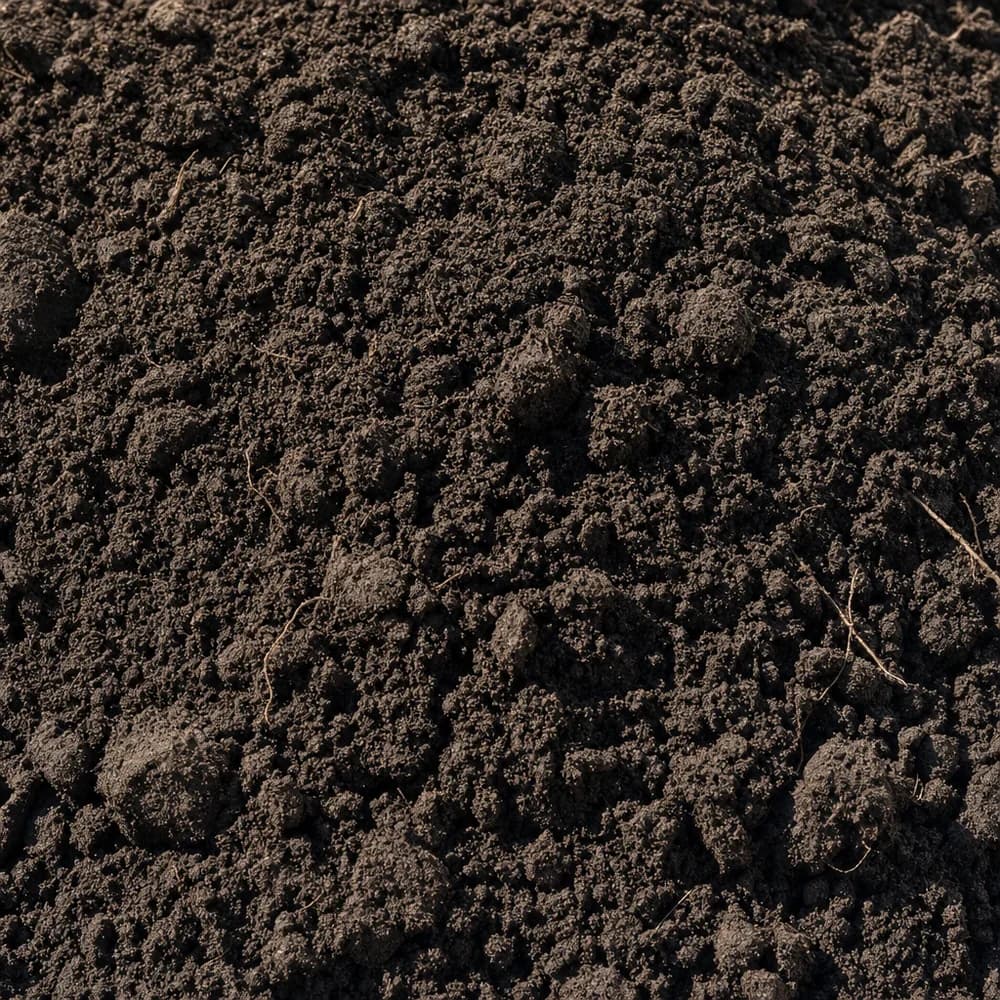
This is a blended planting medium, not a bulk earth product. It is a nutrient-enriched soil blend with organic compost worked through it, and the compost is what changes its behavior. It holds moisture through a dry stretch while still letting excess water drain away, which is the balance a root system needs and the balance native clay does not give.
It earns its place in four situations:
- Filling a new raised bed or planter, where the native ground underneath is not somewhere you want vegetables rooting.
- Starting a new flower border, annual or perennial, where the existing soil has never been amended.
- Top dressing a tired bed, where several seasons of planting have used up what was there.
- Vegetable and herb beds generally, which take more out of the soil in a season than ornamentals do.
Skip it at a culvert outlet, and skip it under a shed pad
Three requests come up often enough to be worth naming, and this blend is wrong for all three.
A culvert outlet or a ditch lining. Water coming out of a pipe after snowmelt will take a compost-rich soil away in the first hour and deposit it downstream. That job wants stone heavy enough to stay where it is put, which is RipRap, over a filter layer.
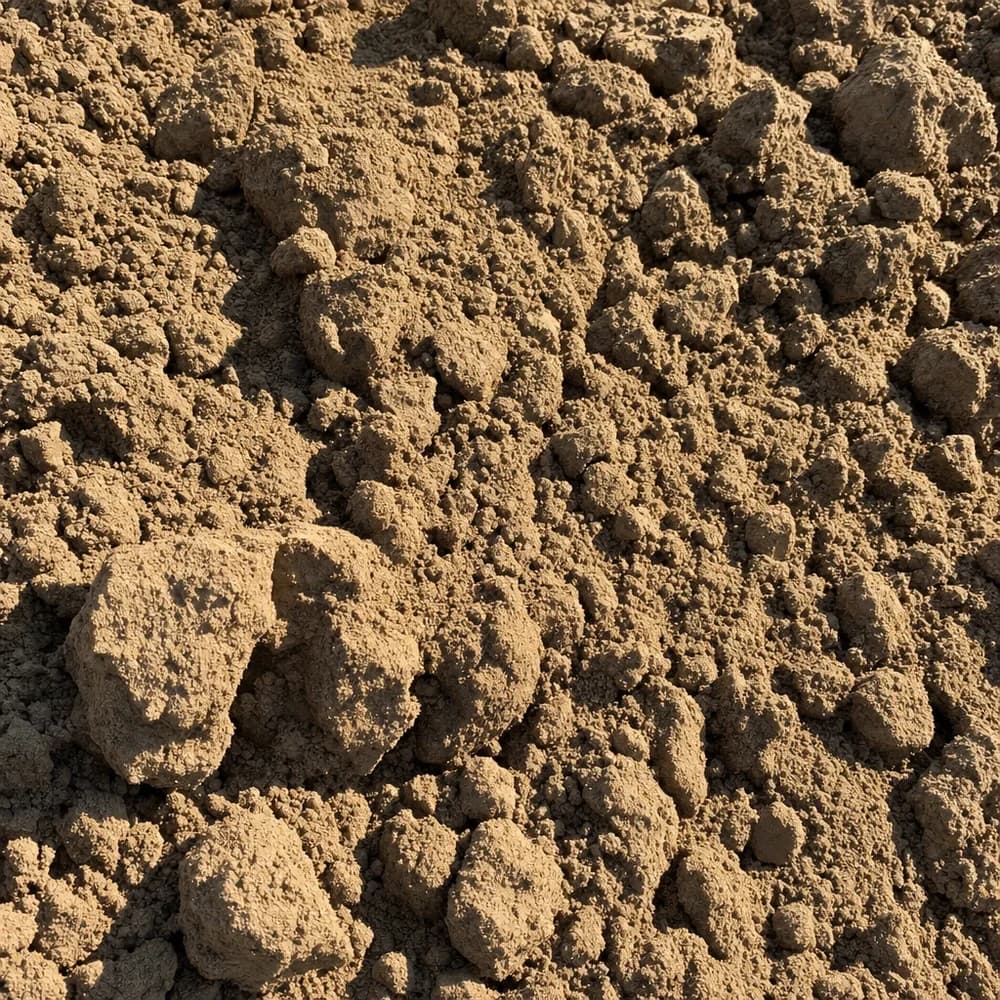
A shed or garage pad base. Organic material keeps breaking down and compressing for years, so anything built on it settles unevenly no matter how carefully it was leveled. Raise the grade with Fill Dirt, compact it, then build the pad on Class 6 Road Base.
A xeriscape or rock garden bed as a whole. Filling a xeric bed with rich, moisture-holding soil works against the plants you put in it, most of which want lean ground and sharp drainage. The exception is worth knowing, and it gets its own section below.
Filling a new raised bed over Front Range clay, layer by layer
A four-sided bed on clay has one problem the box does not solve by itself: water arriving at the bottom of the bed and having nowhere to go.
- Break the clay crust under the bed before the box goes on, a fork's depth is enough. A sealed clay floor under eleven inches of good soil turns the bed into a bathtub after a wet week.
- Skip the gravel layer at the bottom. It does not improve drainage in a bed and it costs you rooting depth.
- Fill with garden soil to within an inch or two of the rim, then water it in thoroughly and walk away for a day.
- Come back and top up. The level will have dropped, and it is easier to add now than after planting.
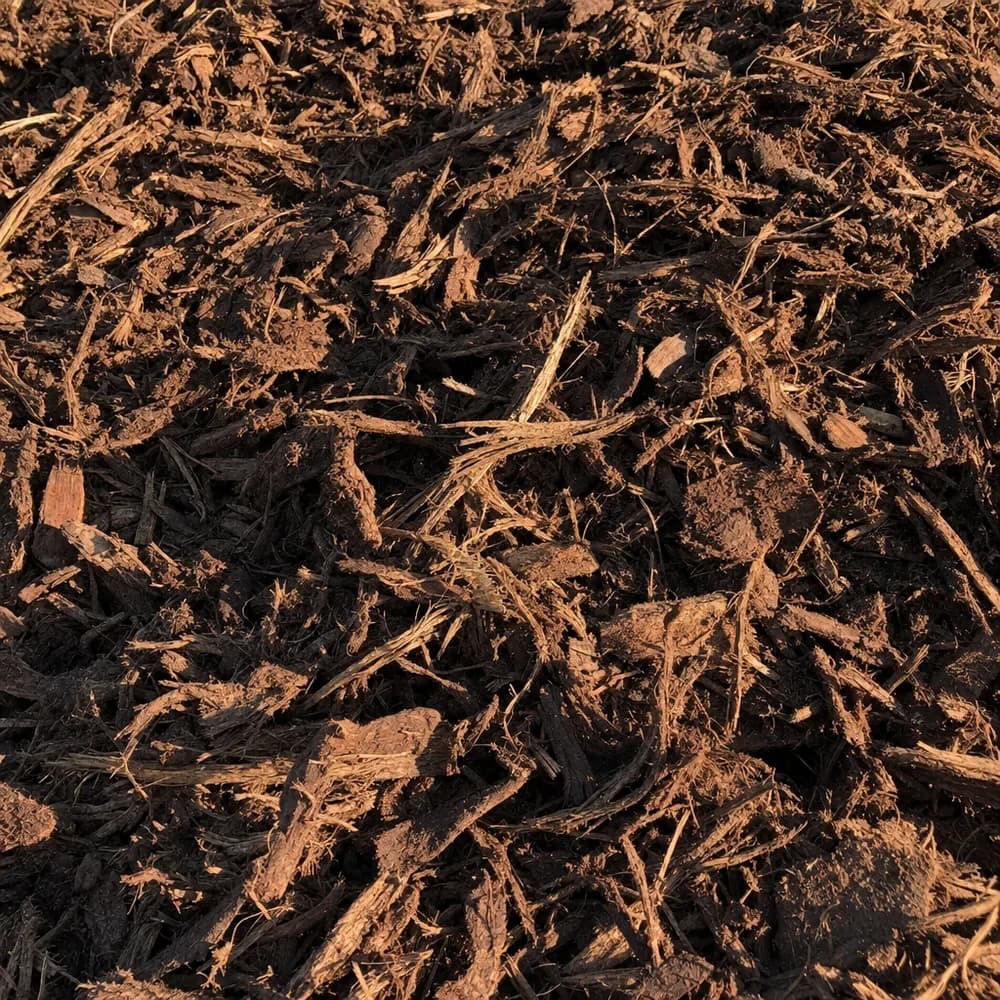
- Mulch the surface once the plants are in. Wind and altitude sun pull moisture out of a bare bed faster than most newcomers expect, and Shredded Mulch is what keeps it in.
Depth matters more than volume. Most vegetables are happy in ten to twelve inches of blended soil. Carrots, parsnips and anything else that goes straight down want more.
Planting pockets in a rock garden that is meant to stay dry
There is a version of the xeric bed where this blend does belong, and it is the pocket rather than the whole bed. Even drought-tolerant plants need somewhere to establish in their first season, and a pocket of blended soil at each planting position gives roots something to take hold in while the surrounding bed stays lean and fast-draining.
Keep the pockets small and keep the surface stone over the top of everything else. Two feet square and ten inches deep at each plant is plenty. The rest of the bed reads as River Rock or a crushed surface, and the soil never shows.
Growing layer on top, structure underneath: which product does which
The three soil products in the catalogue do three different jobs and the names do not make that obvious.
| Product | What it is | Where it goes |
|---|---|---|
| Garden Soil | Compost-blended planting medium | Inside beds, planters and borders |
| Top Soil | Screened growing layer | Over lawn ground and across bed areas |
| Fill Dirt | Structural earth for raising grade | Under everything, compacted |
The rule of thumb: if something is going to be grown in it, the soil goes on top. If something is going to be built on it, the structural material goes underneath and the growing layer stops at the edge of the build.
Cubic yards for two 4 by 12 beds and a run of rock garden pockets
Three hypothetical jobs, using the formula on this page: length times width in feet, times depth in inches divided by 12, divided by 27 to get cubic yards. This site publishes about 2,000 lb per cubic yard for blended garden soil, which is 1.00 ton per cubic yard, so yards and tons come out as the same number here.
Two raised beds, each 4 by 12 ft, filled to 11 inches. 4 x 12 = 48 sq ft each, 96 sq ft for the pair. 96 x 11 / 12 = 88 cubic feet. 88 / 27 = 3.26 cubic yards, or about 3.3 tons.
Fourteen rock garden pockets, each roughly 2 by 2 ft at 10 inches. 14 x 4 = 56 sq ft. 56 x 10 / 12 = 46.7 cubic feet. 46.7 / 27 = 1.73 cubic yards.
Top dressing an existing border, 6 by 20 ft at 2 inches. 120 sq ft. 120 x 2 / 12 = 20 cubic feet. 20 / 27 = 0.74 cubic yards, so three quarters of a yard.
Add a little for settling on anything you are filling rather than dressing. The soil calculator handles circles and multiple beds in one run if the shapes are awkward.
Where the pile should land, and what to do with it that week
Soil is the one product worth ordering only when you have the time to move it. A pile left on a lawn through a warm week kills the grass under it, and a pile left uncovered through a windy one loses its lightest material. Put a tarp down, choose a spot inside wheelbarrow reach of the beds, and plan on spreading it within a few days.
Delivery is arranged at checkout by ZIP code, and the truck needs clear access to a firm place to tip. Pick a quantity and a date on this page once the beds are built, and check the delivery details if the only route in is through a side gate.
Quickly Calculate How Much You Need
Material: Garden Soil
How to Measure
Measure the length and width of your project area in feet
Decide on depth in inches (2" for landscaping, 4" for driveways)
Enter the values above and we'll calculate the tonnage you need
Need help figuring out the right amount? We can help!
Call or text us at (719) 781-8522 and we'll help you calculate the right quantity for your project.
Not sure how much you need? The Soil Calculator has depth guides, coverage charts and worked examples for this material.
Frequently Asked Questions About Garden Soil
Garden Soil delivery across Colorado
- Denver
- Colorado Springs
- Aurora
- Fort Collins
- Thornton
- Arvada
- Westminster
- Greeley
- Pueblo
- Boulder
- Longmont
- Castle Rock