RipRap: Heavy Stone Where Cobble Gets Washed Away
Colorado ground can shed fast spring melt. RipRap holds vulnerable slopes, channels, and culvert outlets where moving water needs heavy stone.
- Size: 4 inches to 12 inches and up
- Type: Large, heavy stone
From $433 for 1 ton, delivery included
Larger loads cost less per ton: 500 tons is $30,535 ($61.07 per ton). Pick any quantity below for a delivered price.
Free delivery included
Free delivery anywhere in Colorado
Pick a delivery date
Weekday delivery, earliest Oct 20
Get a Free Quote
Fill out the form and our sales team will get back to you within the hour.
Size and Grading
- Size
- 4 inches to 12 inches and up
- Type
- Large, heavy stone
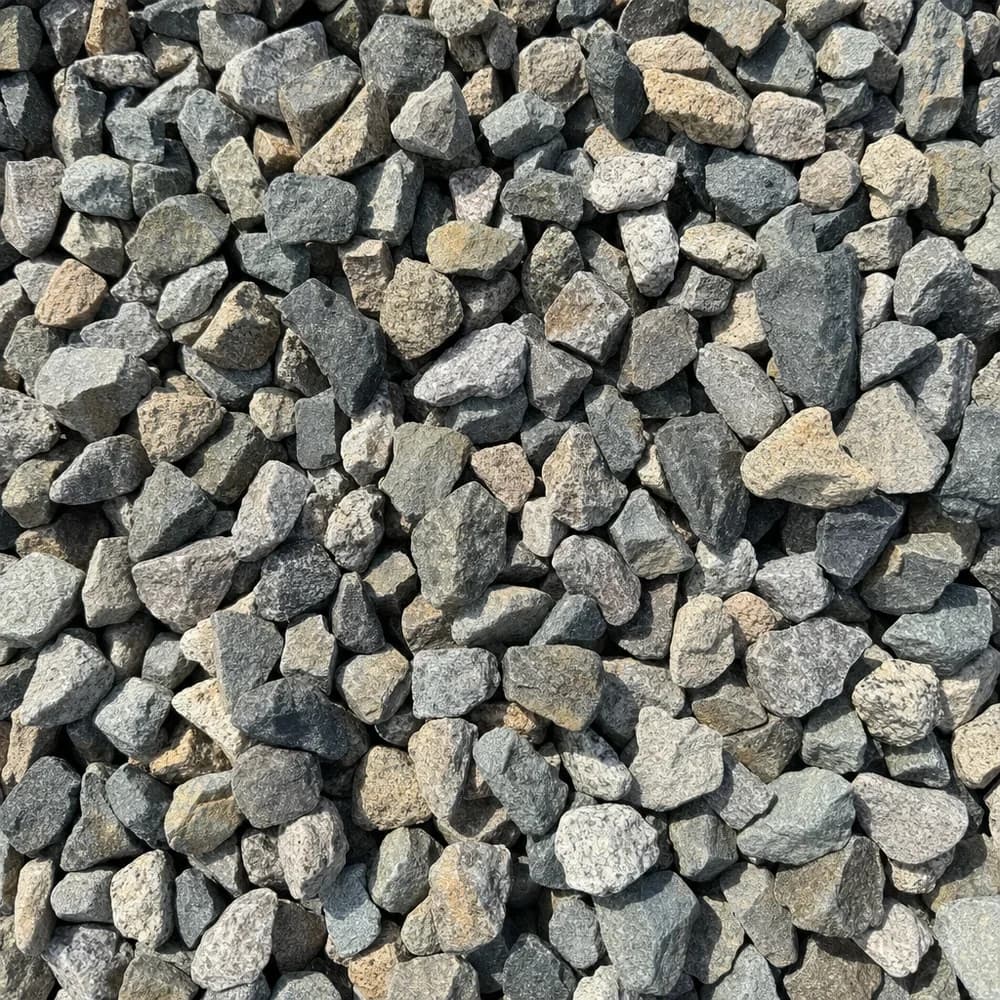
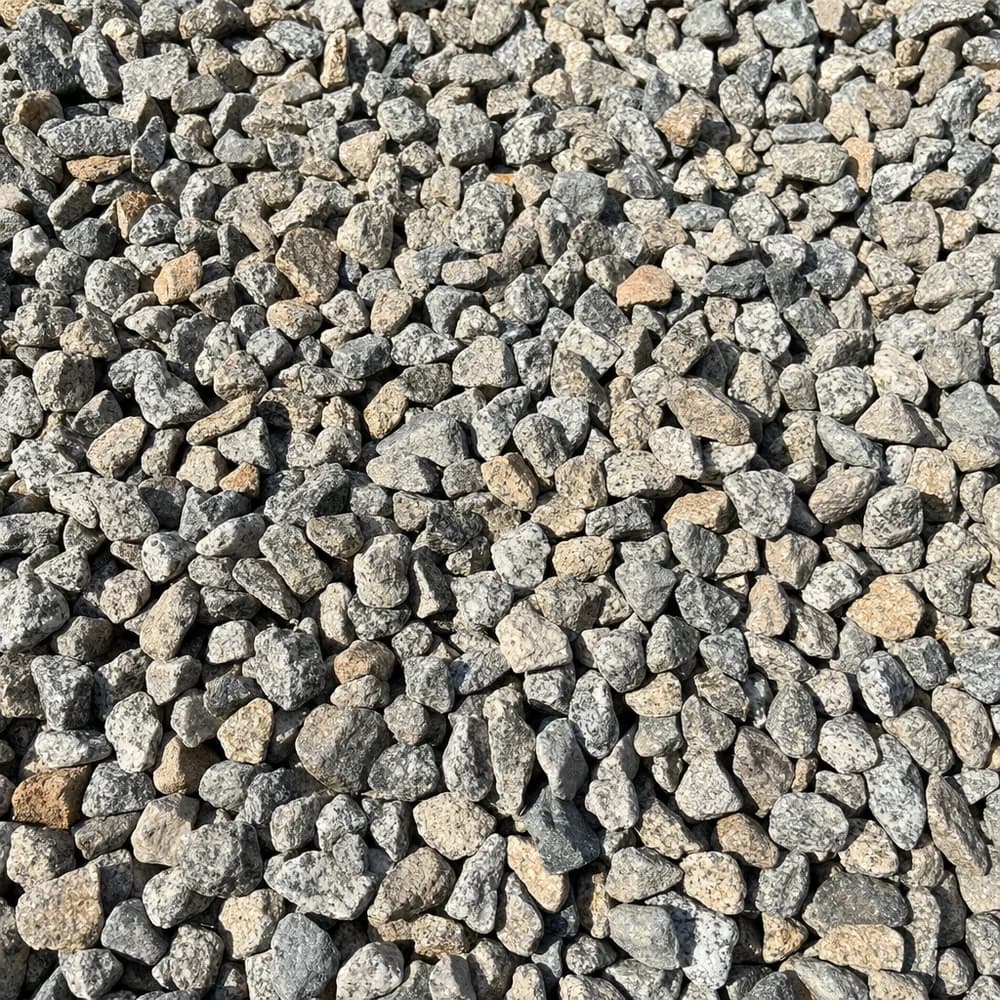
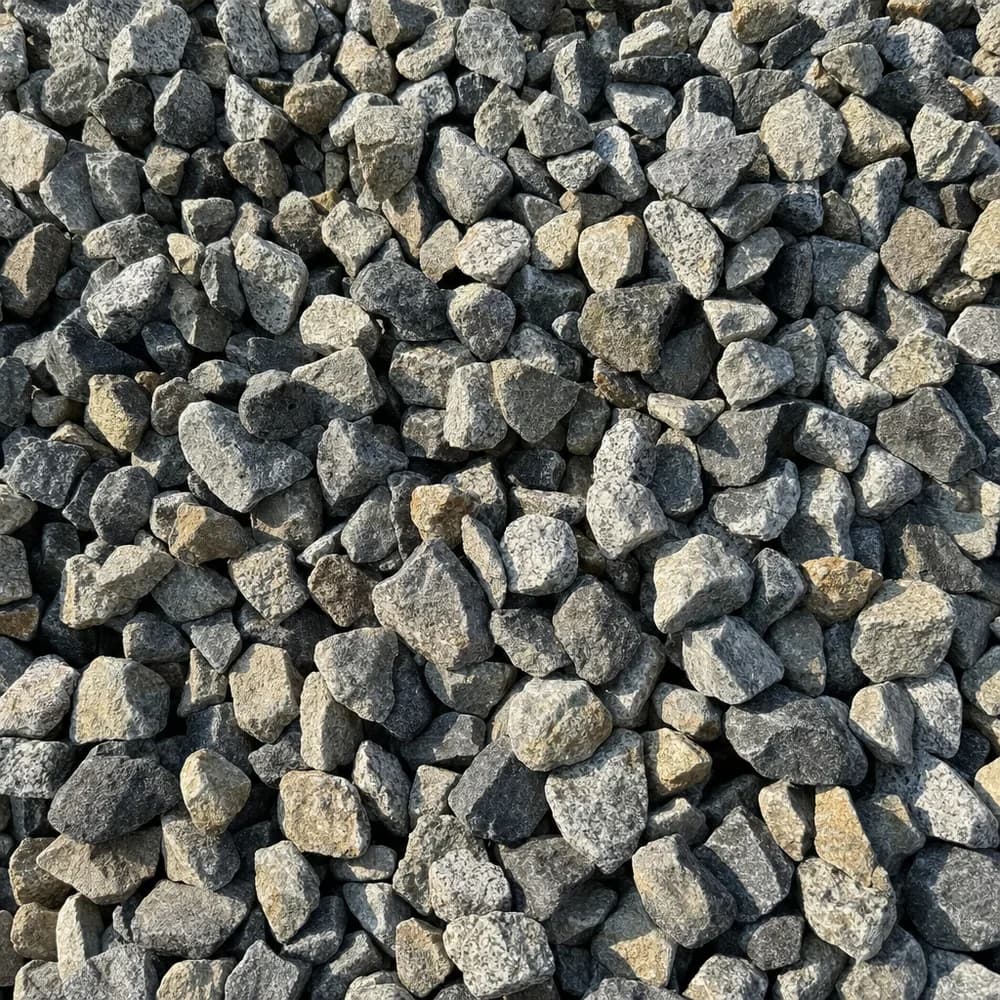
Rounded cobble and RipRap photograph the same and behave nothing alike once water is moving. Cobble is a landscape material: smooth, sorted, chosen to be looked at. RipRap runs from 4 inches to 12 inches and up, angular and irregular, and it is chosen for one property only, which is that a piece of it is too heavy for the water to pick up. On ground that takes a concentrated flush of snowmelt in April and a wall of water off a thunderstorm in July, that difference is the whole job.
The swale that scours a little deeper every spring
The problem shows up gradually. A drainage swale, a ditch beside a lane or the ground below a culvert outlet loses a little soil each runoff season. Mulch goes first, then the small rock someone laid the year before, then the bank starts to undercut and the channel gets deeper and faster, which makes the next season worse.
Heavy stone breaks that cycle by doing two things at once. Individual pieces are too heavy to be rolled by the flow, and the irregular surface takes the energy out of the water instead of letting it accelerate down a smooth face. Placed properly, it protects the soil underneath from ever being exposed to moving water again.
What clay and decomposed granite do underneath the stone
Placing rock is the easy half. The half that decides whether the work lasts is what happens between the stone and the ground.
Front Range clay does not absorb runoff, so water arrives at the surface fast and in volume. Decomposed granite does the opposite and moves easily, which means water finding a route under the armor can carry the fine material out from beneath it. Either way, the failure looks the same: a year or two on, the stone has settled into a hollow it created, the soil has gone out from under it, and the bank is cutting again just past the edge of the work.
That is what the filter layer is for, and it is the part most often skipped.
Toe, filter layer and edges: the three places water gets in
An outline rather than a specification, because channel work at any scale should be designed for the flow it actually carries.
- Start at the bottom. The toe of the slope is where scour begins. Carry the stone below the level of the channel bottom, or key it into a shallow trench, so there is nothing for the water to undercut.
- Put a filter layer down first. Geotextile fabric, or a graded bed of smaller stone, stops soil working up between the pieces and stops water lifting it out. On clay, fabric is the simpler answer.
- Carry it past the discharge point. At a culvert outlet, the armor has to extend beyond where the water leaves the pipe, so the flow lands on stone rather than on bare ground.
- Tie the edges in. Water that cannot cut through your work will look for a way around it. Finish the edges into the surrounding grade rather than stopping at a line.
- Mix the sizes. A run of uniform pieces leaves gaps. Fitting larger stone with smaller pieces worked into the voids gives you a surface that locks rather than rattles.
A downspout splash area does not want 12 inch rock
This is the most common wrong order for this material. A splash area is a decorative patch a few feet across handling roof runoff, and dropping heavy angular stone into it gives you something that looks like a rockfall and still splashes mud on the siding.
Work out the volume and it makes the point. A splash area 4 by 6 feet at 3 inches deep is 24 sq ft, 24 x 3 / 12 = 6 cubic feet, or 6 / 27 = 0.22 cubic yards. That is a wheelbarrow or two of River Rock over fabric, not a stone-placing job.
Behind a retaining wall the stone has to drain, not armor
The second common mistake. Backfill behind a wall is not an erosion problem, it is a water-pressure problem: the wall fails because water builds up behind it and pushes. That calls for clean, open stone with no fines, in a size a shovel can handle.
A hypothetical wall 30 feet long and 4 feet high with a 12-inch drainage zone behind it comes to 30 x 1 x 4 = 120 cubic feet, or 120 / 27 = 4.4 cubic yards of #57 Stone. Heavy angular rock in that space is difficult to place, leaves voids the soil migrates into, and does nothing the smaller stone does not do better.
Cubic yards of riprap for 40 feet of pond edge
A hypothetical shoreline: 40 feet of bank with 6 feet of face to protect, armored 12 inches deep.
- Area: 40 x 6 = 240 sq ft.
- Volume: 240 x 12 / 12 = 240 cubic feet.
- Yards: 240 / 27 = 8.9 cubic yards.
Leave the 5 percent option on the rip rap calculator ticked if the bank is uneven or the pieces have to be placed rather than tipped, which on a shoreline they usually do. This site publishes riprap at about 3,100 lb per cubic yard, which is roughly 1.55 tons, so 8.9 x 1.55 = 13.8 tons of stone for the run, near enough 14 tons ordered, or about 14.5 with the 5 percent option ticked. Take it as approximate, because armor stone varies with piece size and how tightly it beds, and confirm it on the rip rap calculator before you order.
Order a quantity and a date on this page once the yardage is settled. Delivery is arranged at checkout by ZIP code, and access matters more with this material than any other in the catalogue: the truck needs a firm spot as close to the bank as it can safely reach, because every foot between the pile and the work is a foot you move stone by hand or by bucket. Check the service area on the Colorado locations page before you book, and Colorado Rock Supply will take access questions through the contact page.
Quickly Calculate How Much You Need
Material: RipRap
How to Measure
Measure the length and width of your project area in feet
Decide on depth in inches (2" for landscaping, 4" for driveways)
Enter the values above and we'll calculate the tonnage you need
Need help figuring out the right amount? We can help!
Call or text us at (719) 781-8522 and we'll help you calculate the right quantity for your project.
Not sure how much you need? The Rip Rap Calculator has depth guides, coverage charts and worked examples for this material.