Mason Sand: The Fine Layer Between Clay and Stone
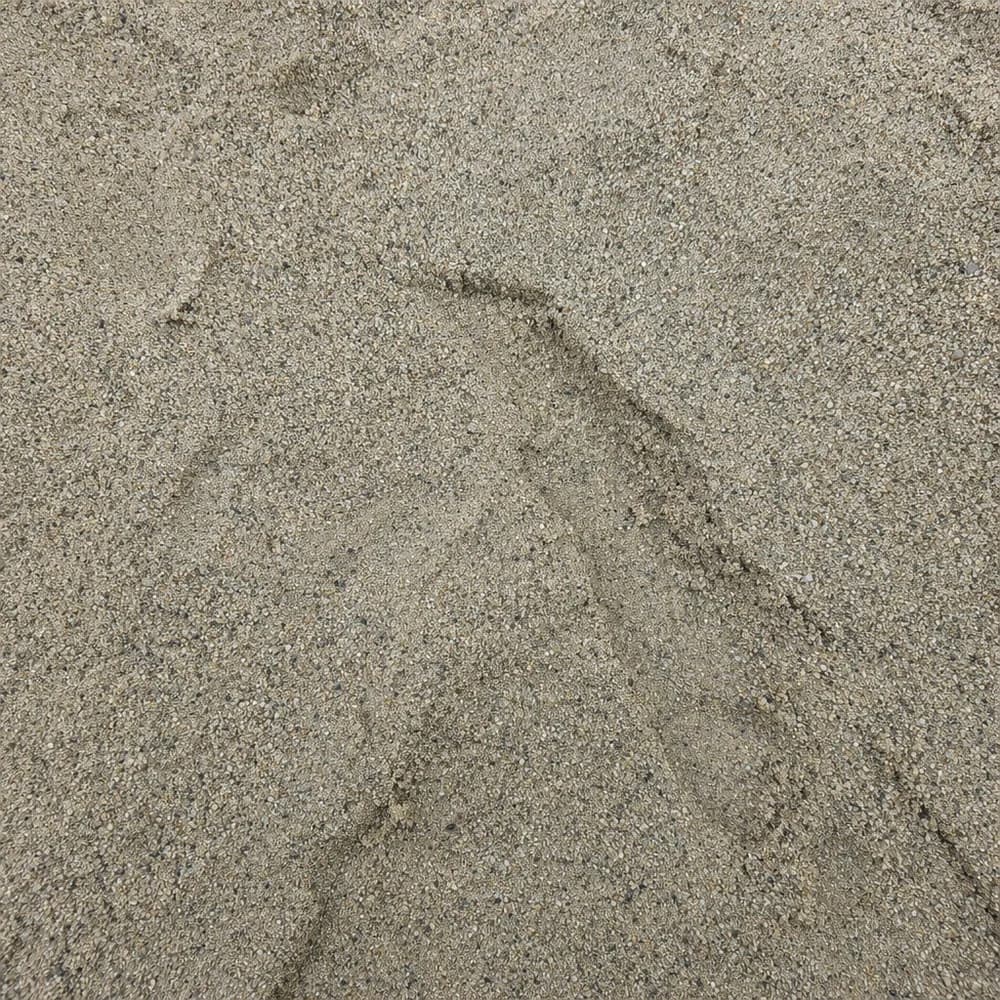
Smooth, washed Mason Sand gives Colorado mortar work a clean, workable feel and provides a soft surface for sandboxes or volleyball courts.
- Size: Ultra-fine, consistent grain size
- Grading: Washed to remove clay, silt and organic impurities
From $476 for 1 ton, delivery included
Larger loads cost less per ton: 2000 tons is $107,160 ($53.58 per ton). Pick any quantity below for a delivered price.
Free delivery included
Free delivery anywhere in Colorado
Pick a delivery date
Weekday delivery, earliest Oct 20
Get a Free Quote
Fill out the form and our sales team will get back to you within the hour.
Size and Grading
- Size
- Ultra-fine, consistent grain size
- Grading
- Washed to remove clay, silt and organic impurities
Most orders start with a patio that has gone lumpy. The flagstone or pavers were set straight onto Front Range clay, the clay took on water through a wet spring and gave it up through a dry August, and by the second summer three or four stones rock underfoot. Mason sand is the fine, washed layer that should have been between the two, and it is bought far more often to correct that than to build anything from scratch.
It is worth being precise about what the layer does, because the same sand is sold for four different jobs and only some of them are load-related at all.
Squeegee, Washed Sand or Mason Sand under a Front Range patio
The specification is short: an ultra-fine, consistent grain size, washed to remove clay, silt and organic impurities. That washing is what separates it from anything scraped out of a yard, and the consistency is what lets you screed a layer flat and trust it to stay flat.
Three products on this site look interchangeable and are not:
| Material | Grain | Where it belongs |
|---|---|---|
| Mason Sand | Fine, washed, consistent | Mortar and stucco mixes, bedding under pavers, joint fill, sandboxes |
| Washed Sand | Coarser, washed | Leveling, bedding, and sand under a slab |
| Crusher Fines | Fine crushed with angular grains | The material a mason here calls squeegee, used for paver and flagstone bedding and for pipe bedding |
A contractor from out of state will ask for bedding sand. One who has worked here a while will ask for squeegee. Both are asking for the layer that goes between the compacted base and the stone, and which of the two you use is a judgment about how much the surface has to resist being nudged sideways: angular screened material keys together, fine rounded sand screeds flatter and sweeps into joints more easily.
Mortar tubs, joints and the inch that sits under a paver
Four jobs where the fine washed grain is the reason it works:
- Mortar and stucco. Fine, clean grains let the mix spread evenly for brick, block and stone, and the washing matters because clay and organic material interfere with how the mix behaves.
- Bedding under pavers. A screeded course gives every unit the same bearing surface, which is what stops individual pavers sitting proud a year later.
- Joint fill. Swept dry into the gaps between flagstone or interlocking pavers, then misted, it settles in and locks the field together.
- Sandboxes and play areas. Washed and fine, with nothing sharp in it.
What none of those jobs is: structural. The sand sits on the base, it is not the base. Under anything that takes vehicle weight, the load is carried by a compacted layer of Class 6 Road Base, and the sand is the last inch before the stone.
A construction entrance wants rock, not sand
Two jobs that get ordered as sand and should not be.
A construction entrance. The point of one is to stop mud tracking onto the road, which means large clean stone that mud falls out of, not a fine material that turns into the mud. A hypothetical entrance 14 by 50 feet at 6 inches deep is 700 sq ft, 700 x 6 / 12 = 350 cubic feet, or 350 / 27 = 13 cubic yards of #4 Crushed Stone.
A dry creek bed. Fine sand in a channel is gone in the first storm, and on ground that takes a concentrated flush of snowmelt in spring, gone means washed into the lawn. A creek line 25 feet long and 4 feet wide at 4 inches is 100 sq ft, 100 x 4 / 12 = 33.3 cubic feet, 33.3 / 27 = 1.2 cubic yards, and it wants rounded cobble such as Large River Rock on a fabric bed.
Screeding an inch under a 14 by 18 patio, and what it does afterwards
Thinner than most people expect. A bedding course is about an inch, screeded level and never compacted before the units go down. Build it thicker to save yourself grading work on the base and you have simply moved the problem: a deep sand layer keeps consolidating under traffic, and the surface above it dips wherever the layer was deepest.
For a hypothetical patio 14 by 18 feet with a 1-inch bedding course: 252 sq ft, 252 x 1 / 12 = 21 cubic feet, or 21 / 27 = 0.78 cubic yards. A sandbox 6 by 6 feet filled 10 inches deep comes to 36 sq ft, 36 x 10 / 12 = 30 cubic feet, 30 / 27 = 1.1 cubic yards. This site publishes mason and washed sand at about 2,700 lb per cubic yard, which is roughly 1.35 tons, so the patio course comes to 0.78 x 1.35 = 1.05, call it 1.1 tons, and the sandbox to 1.1 x 1.35 = 1.49, call it 1.5 tons. Treat both as approximate, since the weight per yard shifts with how damp the load is, and confirm the figure on the sand calculator before you order.
Expect a small amount of consolidation once the pavers are down and the field is compacted, which is normal and is why the course is screeded rather than tamped beforehand.
Ordering a part load and keeping the rest dry through winter
Sand jobs are small, and most people end up with material left over. Keep it covered and off the ground: a tarp weighted at the edges, or a lidded bin if there is not much of it. Uncovered through a Colorado winter it will take on water, freeze into a block, and collect whatever blows across the yard, none of which you want in a mortar mix the following spring.
On delivery day, pick a dump spot with a tarp down and some shelter from wind, because fine dry sand travels. Delivery is arranged at checkout by ZIP code and the truck needs clear access to that spot. Set a quantity and a date on this page, and send bedding questions through the contact page.
Quickly Calculate How Much You Need
Material: Mason Sand
How to Measure
Measure the length and width of your project area in feet
Decide on depth in inches (2" for landscaping, 4" for driveways)
Enter the values above and we'll calculate the tonnage you need
Need help figuring out the right amount? We can help!
Call or text us at (719) 781-8522 and we'll help you calculate the right quantity for your project.
Not sure how much you need? The Sand Calculator has depth guides, coverage charts and worked examples for this material.
Frequently Asked Questions About Mason Sand
Mason Sand delivery across Colorado
- Denver
- Colorado Springs
- Aurora
- Fort Collins
- Thornton
- Arvada
- Westminster
- Greeley
- Pueblo
- Boulder
- Longmont
- Castle Rock