Washed Sand: The Leveling Layer That Has to Stay Clean
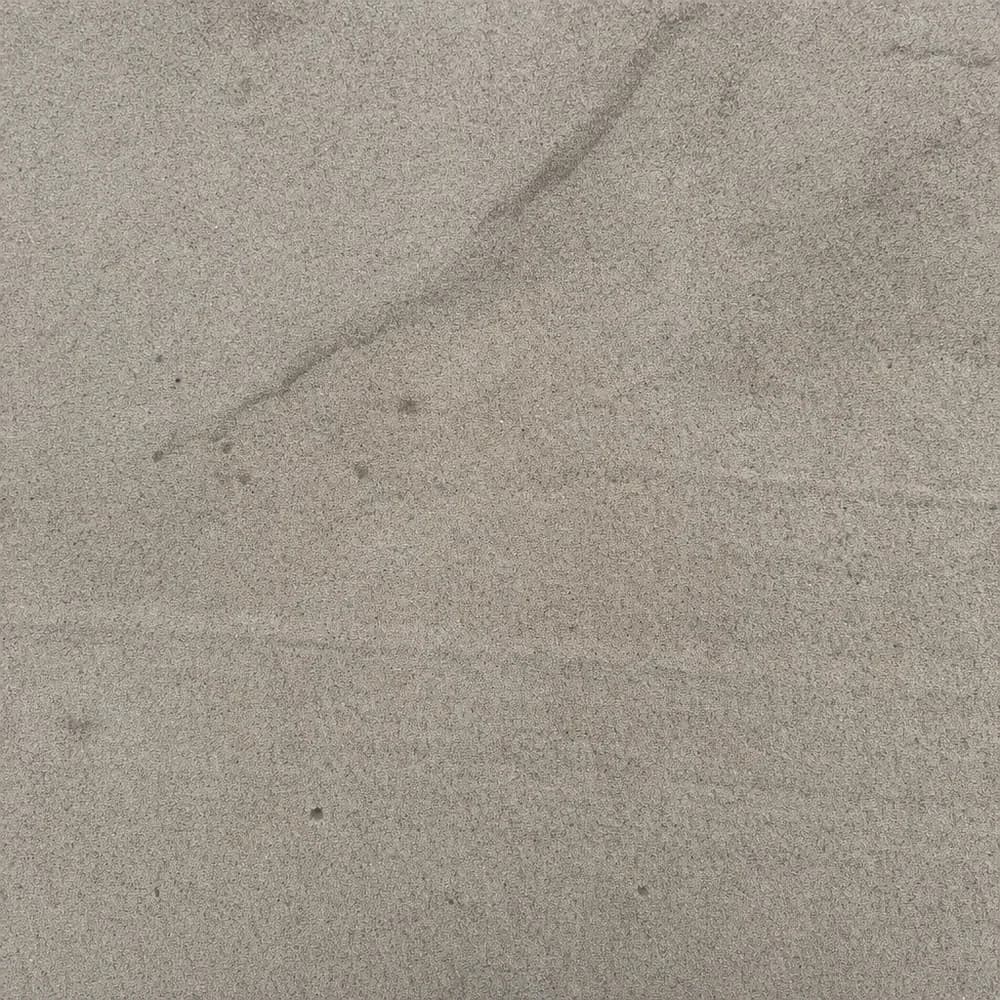
Washed Sand gives Colorado concrete, trench backfill, and site leveling work a clean material without clay, silt, or organic debris.
- Size: Coarse-grained
- Grading: Washed; free of clay, silt and organic debris
From $621 for 1 ton, delivery included
Larger loads cost less per ton: 2000 tons is $132,940 ($66.47 per ton). Pick any quantity below for a delivered price.
Free delivery included
Free delivery anywhere in Colorado
Pick a delivery date
Weekday delivery, earliest Oct 20
Get a Free Quote
Fill out the form and our sales team will get back to you within the hour.
Size and Grading
- Size
- Coarse-grained
- Grading
- Washed; free of clay, silt and organic debris
More loads of washed sand go out for leveling than for anything else, and on Colorado ground that usually means something heavy is about to be set down on a surface that is not flat. A hot tub pad, a shed floor, a trench with a pipe going into it. The material is coarse-grained and washed free of clay, silt and organic debris, and that cleanliness is not a nicety. It is the whole reason the layer behaves predictably once weight lands on it.
The leveling course under a hot tub pad, before anything heavy goes on it
A filled hot tub is a concentrated load in a small footprint, and the thing that ruins one is not the weight, it is the weight arriving unevenly. A pad set on ground with a half-inch dip in one corner puts the whole load on three corners.
Clean coarse sand is what closes that gap. Screeded over a prepared, compacted subgrade it fills the low spots, gives a flat plane to set a slab or a paver bed on, and carries load evenly across the footprint rather than in points. The same logic applies under a shed floor, a paver pad or a run of pipe: the sand is not the structure, it is what makes the structure sit flat.
The other jobs it gets ordered for are trench backfill around utility lines, general site leveling before a build, and concrete and mortar mixing, where its even grain range is what gives a consistent mix.
What clean coarse sand does over clay that holds water near the surface
Front Range clay does not take water in so much as hold it near the top, and through the thaw there is often more moisture in the ground than anything can drain away quickly. That changes two things.
First, keep the sand separate from the soil around it. If clay and decomposed granite get churned into a clean sand layer during placement, the material stops behaving like sand and starts behaving like whatever it got mixed with. Cut clean edges, and on a trench keep the spoil pile back from the lip.
Second, remember that a sand layer is not a drain. Water moves through it, but it will also sit in it if there is nowhere for it to go, and saturated sand under a frost-affected pad moves. Give the layer an outlet or keep it thin.
Screeding an even layer, then getting water into it before the plate runs
The sequence is short, and the order matters more than the effort.
- Compact the subgrade first. Sand over soft ground just carries the softness upward.
- Set screed rails to the finished level and pull a straight edge across them. A leveling course that is not level is only a more expensive version of the problem.
- Keep it thin. An inch to an inch and a half under a pad is a leveling layer. Four inches of sand under a slab is a settlement waiting to happen.
- Wet it. Coarse sand needs water to consolidate, and a dry lift will keep moving under the plate rather than firming up.
- Compact in two directions, then check the level again and correct once.
Around a pipe the method changes: work the sand into the open areas under the haunches of the pipe by hand before compacting anything, so the line is supported along its whole length rather than bridging.
Coarse or fine: which sand the job actually asks for
The catalogue carries three materials that look alike in a pile and behave differently in a job.
| Material | Character | Typical job |
|---|---|---|
| Washed Sand | Coarse, clean, even grain range | Leveling, pipe bedding, concrete mixes, trench backfill |
| Mason Sand | Finer washed sand | Mortar, brick and block work, joints |
| Crusher Fines | Crushed 1/4 inch minus with dust | Screeded bedding under flagstone, compacted paths |
The short version: if the job is mixing or bedding a pipe, coarse is right. If the job is mortar, go finer. If the job is bedding flagstone, most Colorado hardscapers reach for the crushed material rather than any sand, because it locks up instead of washing out from under the joints.
Sand will not fix a clay lawn, whatever the neighbor says
The one request worth refusing outright is a load of sand spread over clay to prepare a new lawn. It sounds reasonable and it is one of the most reliable ways to make ground worse, because a thin sand layer over clay does not amend the clay, it sits on it. What you get is a surface that dries hard and a pan underneath that water still cannot pass.
New lawn ground wants organic matter and a real growing layer: Top Soil spread over ground that has been broken up first. Soil here already runs alkaline and low in organic matter, and sand addresses neither.
Yards for a 9 by 9 hot tub bed and a 6 by 34 dog run
Three hypothetical jobs, using the formula on this page: length times width in feet, times depth in inches divided by 12, divided by 27 for cubic yards, then times the weight. This site publishes about 2,700 lb per cubic yard for mason and washed sand, which is roughly 1.35 tons per cubic yard.
Leveling bed under a 9 by 9 ft hot tub pad at 1.5 inches. 81 sq ft. 81 x 1.5 / 12 = 10.1 cubic feet. 10.1 / 27 = 0.38 cubic yards. 0.38 x 1.35 = about half a ton.
Paver bedding through a 6 by 34 ft side-yard dog run at 1 inch. 204 sq ft. 204 x 1 / 12 = 17 cubic feet. 17 / 27 = 0.63 cubic yards. 0.63 x 1.35 = 0.85 tons, so call it 0.9 tons.
Bedding and haunching along a 40 ft utility trench, 18 inches wide at 6 inches. 40 x 1.5 = 60 sq ft. 60 x 6 / 12 = 30 cubic feet. 30 / 27 = 1.11 cubic yards. 1.11 x 1.35 = 1.5 tons.
Small numbers, which is normal for a leveling material. For pads measured in sections, or a trench that changes width, the sand calculator totals up to five areas at once.
Keeping a clean material clean from the truck to the trench
This is the product where the drop spot decides the outcome. A clean sand tipped onto bare clay picks up the clay at the bottom of the pile, and the last wheelbarrow-load out is no longer the material you bought. Put a tarp down, pick a firm spot, and take from the top of the pile rather than scraping the base.
Delivery is arranged at checkout by ZIP code, and the truck needs clear access to somewhere it can tip without the load spreading across the drive. Set a quantity and a date on this page once you have screeded levels planned, and check the delivery notes if the access at your end is awkward.
Quickly Calculate How Much You Need
Material: Washed Sand
How to Measure
Measure the length and width of your project area in feet
Decide on depth in inches (2" for landscaping, 4" for driveways)
Enter the values above and we'll calculate the tonnage you need
Need help figuring out the right amount? We can help!
Call or text us at (719) 781-8522 and we'll help you calculate the right quantity for your project.
Not sure how much you need? The Sand Calculator has depth guides, coverage charts and worked examples for this material.
Frequently Asked Questions About Washed Sand
Washed Sand delivery across Colorado
- Denver
- Colorado Springs
- Aurora
- Fort Collins
- Thornton
- Arvada
- Westminster
- Greeley
- Pueblo
- Boulder
- Longmont
- Castle Rock