Sand Calculator for Pool Bases, Sandboxes and Bedding Work
Enter your project dimensions
An eighteen-foot ring goes up on the flattest ground somebody could find, which on most lots around here still falls two or three inches across its width. Leveling that with a rake and a screed board is a sand order, and it is the job that brings most people to this sand calculator. So here is that order worked out in full before anything else on the page explains itself.
Two inches of screeded sand under an eighteen-foot pool, worked out
This is a hypothetical example, and the numbers are the ones the tool returns.
An eighteen-foot round pool means a radius of nine feet. Nine times nine is 81, multiplied by pi gives 254.5 square feet. Two inches of mason sand over that is 254.5 multiplied by 2 and divided by 12, or 42.4 cubic feet. Divided by 27 that is 1.57 cubic yards. Sand is published on this site at roughly 2,700 lb to the cubic yard, which the tool reads as 1.35 tons per yard, so 1.57 yards comes to 2.12 tons.
With the optional five percent ticked it becomes 1.65 cubic yards and 2.23 tons. Order two and a quarter tons, screed it smooth, and keep a bucket back for the low side you will find once the liner goes down.
Note what happened to the depth there. Going from two inches to three on the same circle would push the order past three tons, and the extra inch buys nothing under a liner.
Circle mode in the sand calculator, from diameter to depth
The tool offers a rectangle, a circle, or up to five areas added together, and it wants feet for anything horizontal and inches for anything vertical.
- Circle asks for a diameter, not a radius. For the example above you type 18, not 9.
- Rectangle asks for length and width in feet. A sandbox, a path bed, a run of leveling.
- Multiple areas lets you stack up to five entries and totals them. Two boxes and a pool base in one order go in as three entries.
- Depth is in inches and the box runs from 0.25 to 24. A half-inch topdress and a six-inch play box are both inside that range.
- Material sets the weight the tonnage is calculated from.
- Add 5% extra for compaction & spillage is a tick box, ticked until you untick it.
Depths worth knowing before you fill the box in: an inch for a screeded bedding course, two inches under a pool liner, six inches in a play box, and a quarter to a half inch when you are working sand into a lawn surface rather than laying a layer of it.
Yards, tons and the extra weight a rained-on pile carries
Three numbers come back: cubic yards, tons, cubic feet.
Cubic yards is the volume you are actually buying and the one that tells you how big the heap on the drive will be. Tons is what the truck carries and what bulk sand is sold by, derived from that published 2,700 lb per yard. Cubic feet is there for checking the arithmetic by hand.
Weather moves one of those numbers and not the others. A pile left open through a thunderstorm gets heavier by the shovelful without gaining a single cubic foot, so it is slower to move and it screeds badly, but you do not order any less of it. Throw a tarp over it if the job is going to run past the afternoon. A cold night on a wet pile is worse again, because the crust has to be broken before the sand underneath will pour.
Ticking the five percent, and the half ton you keep for the screed
The five percent option covers what falls off the wheelbarrow and what packs down as you work, which on sand is real but small.
What it does not cover is the screeding itself. A one-inch bedding course spread by hand is never exactly one inch, and the surplus ends up in a ridge at the end of each pull. Nor does it cover the low spots you cannot see until the sand is in and a straightedge goes across it. On a leveling job, work from the calculated figure and then add a quarter to a half ton by hand, rather than relying on the tick box to do it for you.
When the result falls between two quarter-ton steps, go up. Sand keeps under a tarp, and a second small delivery to finish a screed costs you the afternoon.
Mason sand, washed sand and squeegee: what each one screeds like
All three sit at the same weight per yard, so the choice changes the finish rather than the tonnage.
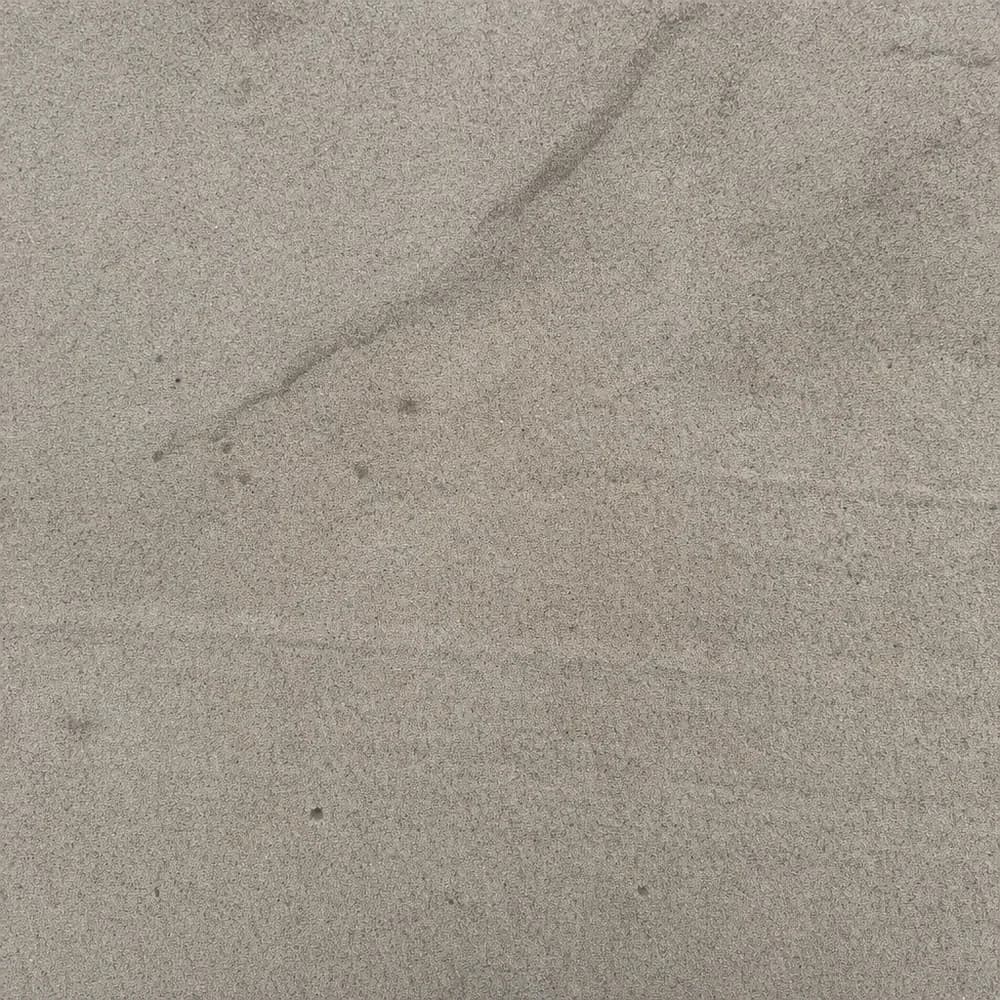
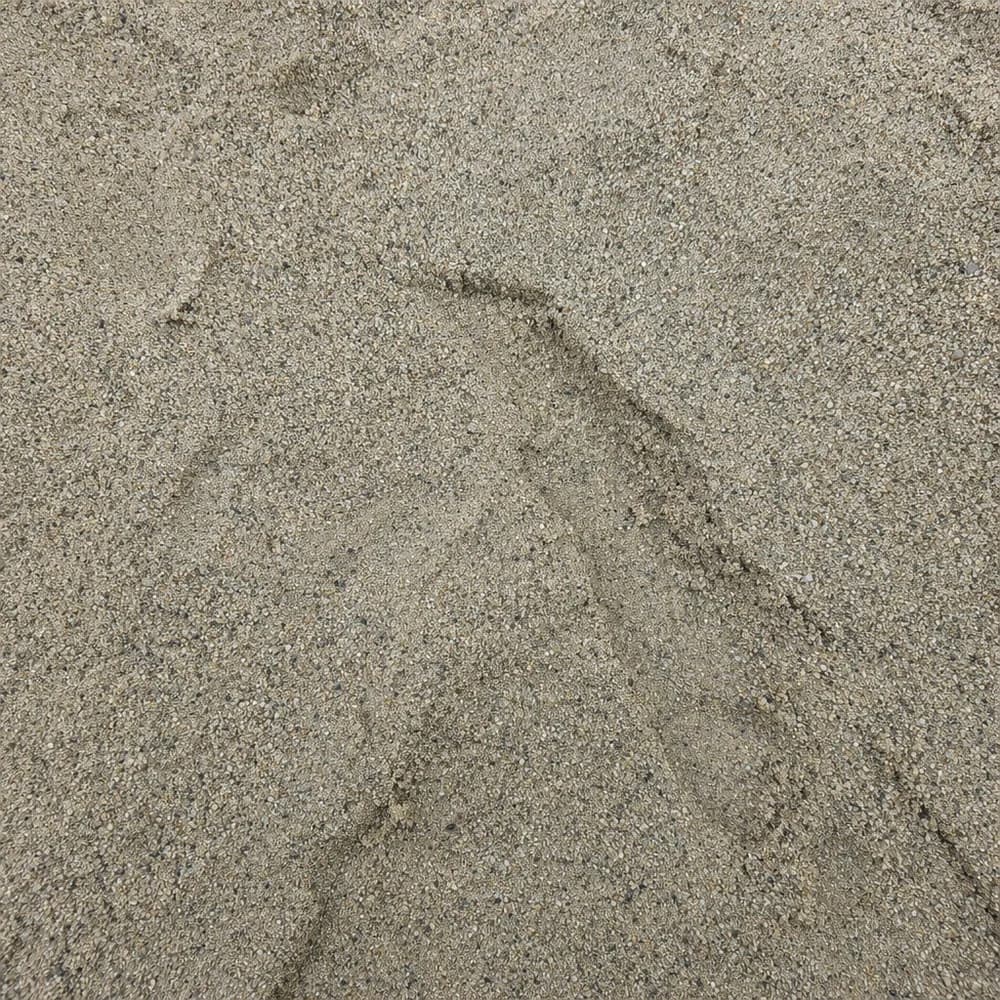
Mason Sand is the fine, uniformly screened one. It screeds smooth, which is why it goes under pool liners and into mortar and paver joints. Washed Sand has had the clay and silt rinsed out of it, which makes it the better pick for a play box and for general bedding and mixing.
Squeegee is the local name for the quarter-inch-minus material the catalogue sells as Crusher Fines, on the stone screenings page. It is not sand, it is heavier at roughly 2,900 lb per yard, and around here it is the standard bedding under flagstone and pavers where straight sand would wash out. It is sized on the stone calculator rather than here. If someone on site asks you for squeegee, they are not asking for either of the sands above.
Straight sand spread as a layer over Front Range clay is one thing worth avoiding. A band of sand sitting on clay holds water at the boundary instead of draining through it, and roots stop at the change. Blend it in rather than laying it on.
When to close this tab and open the paver sand calculator
This tool covers sand sold by the ton for bedding, boxes, pool bases and mixes. It is the right one for anything you are measuring as an area and a depth.
Patios are the exception. A paver build is two separate orders, a compacted stone base and a thin bedding course over it, and the paver sand calculator is set up for that split and for the joint material that goes in afterwards. The paver base calculator handles the layer underneath. If the sand you are pricing has pavers going on top of it, start there instead of here.
Once you have a tonnage, open the product page for the sand you chose, set a quantity and a date, and think about where the pile lands. Delivery is arranged at checkout by ZIP code, and the driver needs firm ground with clear access to tip on. A heap of sand on a lawn kills what is under it in a few days, so pick the drive or a board rather than the grass.
Common questions
Why does the result show a ton figure and a cubic yard figure for the same pile?
They measure different things. Cubic yards is volume, and it tells you how much space the sand takes and how far it spreads at a given depth. Tons is weight, and it is the unit bulk sand is sold and hauled in. The bridge between them is the published 1.35 tons per cubic yard. Plan the job in yards, place the order in tons.
Do I enter the depth I am spreading or the depth after I have tamped it?
Enter the finished depth you want to end up with. Sand under a pool or a screeded bedding course barely compacts, so the two figures are close enough to ignore. In a play box, enter the depth you want to see when it is full, because the first watering will settle it a little and you will top it up once.
How do I work out a fire pit surround or a tree ring, where the middle is not being filled?
Run the circle twice and subtract. A six-foot ring around a four-foot fire pit is a ten-foot circle, which is 78.5 square feet, less the four-foot pit at 12.6 square feet, so 65.9 square feet of sand. The tool has no subtract function, so do that part on paper and enter the result as a rectangle of the same area.
Can I check the tool with a calculator on my phone?
Yes, and it is worth doing once. Take the area in square feet, multiply by the depth in inches, divide by 12, and you have cubic feet. Divide that by 27 for cubic yards, then multiply by 1.35 for tons of sand. If your figure and the screen disagree, it is almost always because one of you used feet where the other used inches.
Why does the same depth of sand weigh less than the same depth of stone?
Because the tool applies a different weight per cubic yard to each material. Sand is published here at about 2,700 lb per yard against roughly 2,800 lb for clean crushed stone and about 3,000 lb for compactable base. Identical measurements can return noticeably different tonnages, which is why the material select matters as much as the tape measure does.
Related calculators
Two sands, one free truck.
Mason and washed sand by the ton, delivered free across Colorado.