Squeegee vs Crusher Fines for a Colorado Pathway
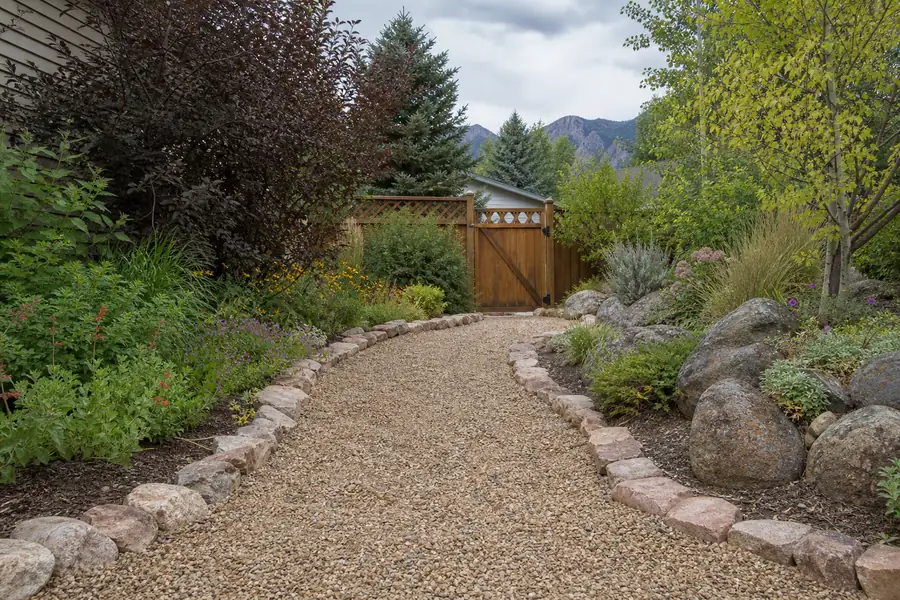
Both materials are quarry byproducts sized small enough to compact into a firm, walkable surface, but they behave differently underfoot and in Front Range clay. If you're planning a garden path, a side yard walkway, or a stepping stone border, the choice between the two changes how the path feels, drains, and holds up over a Colorado winter.
Squeegee is a fine, angular crushed stone (also called 1/4 inch squeegee or chips) that compacts into a hard, low dust surface. Crusher fines are a finer, more powdery byproduct (sometimes called breeze or pathway fines) that packs tighter but holds more moisture. Neither is wrong for a pathway. The right one depends on foot traffic, drainage, and how much maintenance you want to do.
Squeegee vs Crusher Fines: Which One Colorado Pathways Need
For most Front Range pathways, squeegee is the better default because it drains faster and resists the freeze-thaw heave that heavy clay soils produce every spring.
Squeegee's angular edges lock together under compaction without trapping much water, so it sheds snowmelt instead of turning to mud. Crusher fines compact into a smoother, almost concrete-like surface when wet and rolled, which some homeowners prefer for a formal garden path, but that same fine material holds moisture longer against clay subgrade. On a slope or anywhere water collects, that extra moisture retention is what causes fines to heave or rut after a hard freeze.
What Is Squeegee?
Squeegee is crushed stone screened down to roughly 1/4 inch and smaller, produced as a byproduct of crushing larger aggregate at Colorado quarries. It has sharp, angular faces that interlock when compacted, which is why it's a common choice under pavers and as a standalone pathway surface.
Because the particles are angular rather than rounded, squeegee locks into a firm crust within a day or two of compaction and rain or irrigation, but it stays permeable enough that water moves through rather than pooling on top. It's sold on the site as stone screenings, and a 2 inch layer over a compacted base is typical for a garden path.
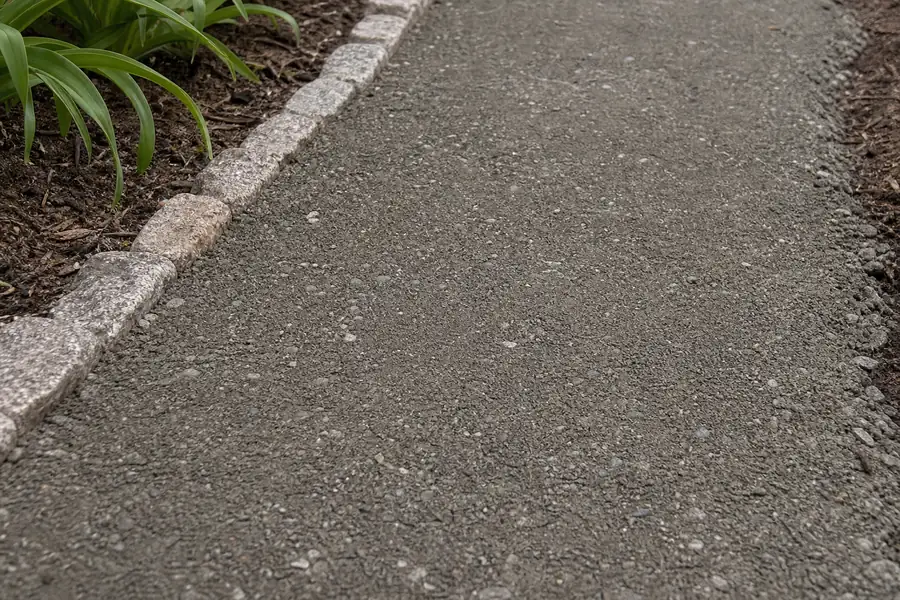
What Is Crusher Fines?
Crusher fines are the finest byproduct of the crushing process, a mix of small stone particles and rock dust that packs down into a smooth, almost paved-looking surface. They're also sold as breeze or pathway fines and are popular for accessible garden paths because the finished surface is smoother and easier to roll a wheelbarrow or wheelchair over than squeegee.
The tradeoff is drainage. Crusher fines compact so tightly that water tends to sheet across the surface rather than soak through, which works fine on flat, well-drained ground but causes standing water and eventual rutting on clay subgrade or any spot with a slope. The product is listed here as crusher run, and it's worth running your square footage through the crusher run calculator before ordering, since fines compact down more than squeegee and you'll need slightly more material by volume.
Squeegee vs Crusher Fines: Cost, Compaction and Drainage Compared
Squeegee and crusher fines are priced close to each other per ton, but they differ in how they compact, drain, and wear.
| Attribute | Squeegee | Crusher Fines |
|---|---|---|
| Surface feel | Slightly textured, crunchy | Smooth, packed |
| Drainage | Good, water passes through | Slower, sheds water on top |
| Best on | Sloped or clay-heavy ground | Flat, well-drained beds |
| Compaction depth needed | 2 inches over base | 2 to 3 inches over base |
| Maintenance | Occasional top-up | Needs re-rolling after heavy rain |
| Typical cost | Comparable per ton | Comparable per ton |
Neither material needs a deep base the way a driveway does, but both perform better over a few inches of compacted road base where the subgrade is soft or the path sees regular foot traffic.
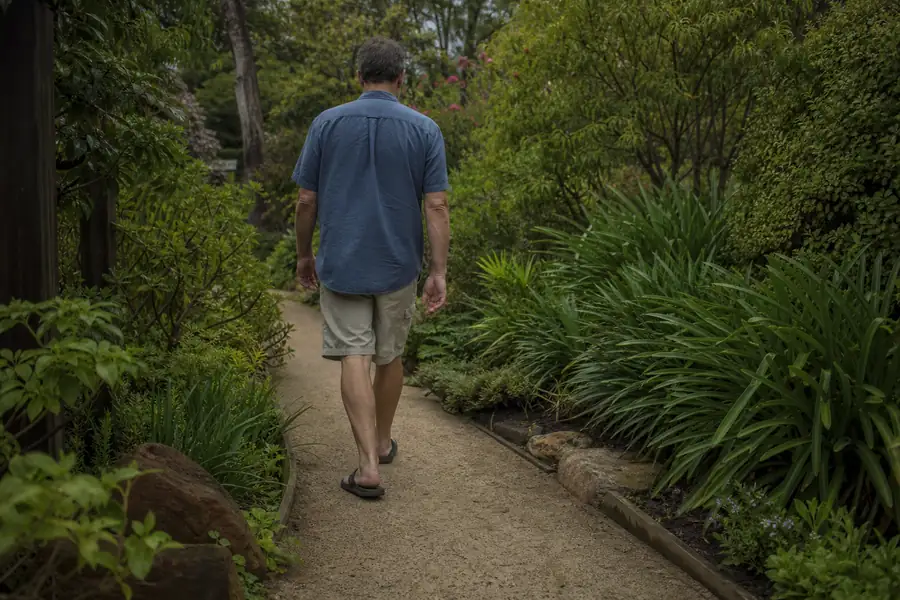
Which Should You Choose for Your Colorado Pathway
Choose squeegee if your path crosses any slope, sits in clay soil, or gets regular winter foot traffic, because its drainage keeps it from heaving when snowmelt refreezes overnight. Choose crusher fines if the path is flat, well-drained, and you want the smoothest possible surface for strollers, wheelbarrows, or bare feet.
If neither texture appeals, pea gravel is a rounder, looser alternative some homeowners prefer for informal paths, though it doesn't compact as firmly as either crushed option. Whatever you pick, run the square footage through the stone calculator to confirm tonnage before you order, since underestimating depth is the most common reason a new path settles or washes out its first season.
FAQs
Can I mix squeegee and crusher fines on the same path?
You can, but it's not recommended. The two materials compact at different rates and depths, so a mixed layer tends to settle unevenly and creates soft spots where the finer material migrates downward over time.
Do squeegee or crusher fines need a weed barrier underneath?
Both benefit from a landscape fabric barrier over the compacted subgrade, which keeps the stone from working down into the soil and cuts back on weeds pushing up through the path. Skipping the fabric isn't a dealbreaker, but the path will need more maintenance over the years.
How often do crusher fines paths need to be re-rolled?
Most crusher fines paths need re-rolling once or twice a year, typically after spring thaw and after any heavy rain event that leaves ruts or low spots. A hand tamper or a rented plate compactor works for touch-ups; you don't need to re-lay the whole path.
Will squeegee track into the house like pea gravel does?
Squeegee compacts into a firm crust and sheds far less loose stone than pea gravel once it's properly tamped, so it tracks less on shoes. Fresh squeegee that hasn't been compacted yet will still shed some loose fines for the first week or two.
Is crusher fines the same thing as decomposed granite?
They're similar in that both are fine, compactable stone byproducts, but crusher fines sold here are a mixed aggregate product rather than a specific decomposed granite spec, and the exact mineral content varies by the quarry run.