Types of Gravel: 12 Kinds Compared by Shape, Cost and Best Use (Crushed vs Rounded)
Quick answer: Colorado gravel yards stock about 12 common types of gravel, split into two shapes: crushed stone (angular pieces like Class 6 Road Base, Crusher Run and 3/4 inch crushed stone) and rounded stone (smooth pieces like river rock and pea gravel). Crushed types compact hardest and typically run cheapest by the ton, while rounded types drain fastest, look better in beds, and usually cost more per ton because they don't lock into a load-bearing base.
Twelve products on a gravel yard's list can all get called just "gravel," but the shape of each stone, and whether it's been washed or left with its fines, decides whether it locks into a driveway base or washes downhill in a drainage bed. Sort the types of gravel by shape first and the rest falls into place: crushed versus rounded, washed versus minus. Below is every common type sold in Colorado, scored side by side on what actually matters for a project: how well it compacts, how fast it drains, whether you'd want to walk on it barefoot, and where it lands on cost.
Crushed vs Rounded: The Two Basic Shapes of Gravel
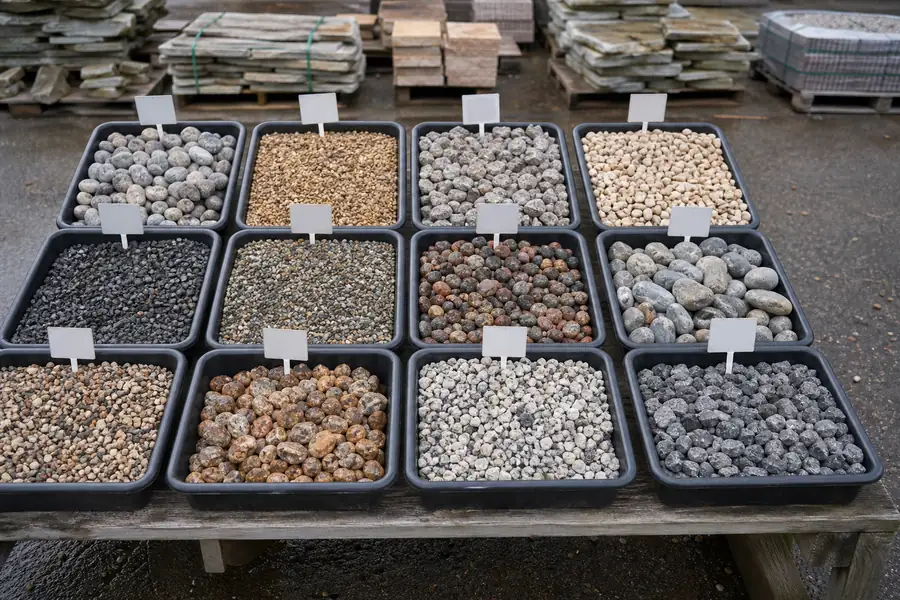
Crushed gravel comes from quarried granite, gneiss or limestone run through a crusher, so every face is sharp and angular and locks against its neighbors. Rounded gravel forms in old riverbeds and glacial outwash, tumbled smooth over thousands of years, so the pieces roll past each other instead of locking.
That shape difference decides compaction. Angular, crushed material packs into a dense, load-bearing surface because the broken faces wedge together under a plate compactor. Rounded material never compacts the same way; it just settles and shifts, which is why it's the wrong choice under a driveway and the right choice in a decorative bed where drainage matters more than a hard surface.
There's a second split inside crushed gravel: washed and minus. Washed gravel has the rock dust screened out, leaving clean stone that water runs straight through. Minus gravel keeps those fines in the mix, and they fill the gaps between larger pieces to form a hard, dense base once compacted. Class 6 Road Base and Crusher Run are minus grades built for compaction, while 3/4 inch crushed stone (57 Stone) and river rock are washed products built for drainage and looks.
Crushed Stone vs Gravel: What's the Real Difference
Crushed stone vs gravel isn't a difference in quality, it's a difference in origin and shape. "Gravel" is the umbrella term for any loose rock fragment, while crushed stone specifically means rock that's been mined and mechanically crushed into angular pieces. Natural or pea gravel means rock shaped by water or glacial movement into rounded pieces. A contractor asking for "gravel" could mean either one, so specify crushed or rounded, or use the product name, because the two behave completely differently under load and water.
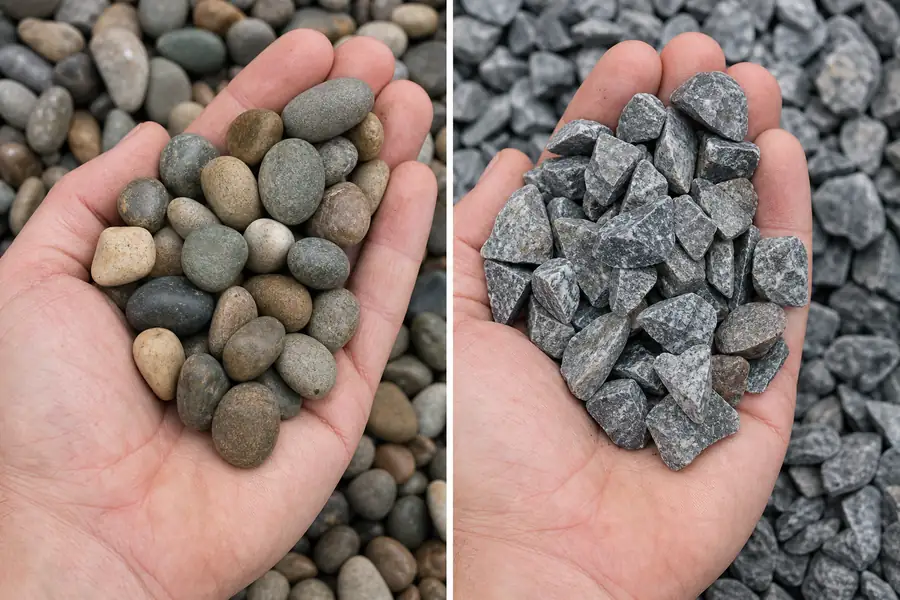
12 Types of Gravel Compared by Compaction, Drainage and Cost
The table below scores the most common types of gravel sold in Colorado on the four things that decide whether a material fits your project.
| Type | Shape | Compaction | Drainage | Walkability | Cost Tier |
|---|---|---|---|---|---|
| Driveway Gravel | Crushed, minus | High | Low-Medium | Medium | Low |
| Class 6 Road Base | Crushed, minus | High | Low | Medium | Low |
| Crusher Run | Crushed, minus | High | Low | High | Low |
| Stone Screenings | Crushed, fines | High | Low | High | Low |
| 3/4 inch Crushed Stone (57 Stone) | Crushed, washed | Low | High | Low | Medium |
| 3/8 inch Crushed Stone | Crushed, washed | Medium | Medium | Medium | Medium |
| 67 Stone | Crushed, washed | Low | High | Low | Medium |
| River Rock | Rounded, washed | Low | High | Low-Medium | Medium |
| Large River Rock | Rounded, washed | None | High | Low | High |
| Natural Pea Gravel | Rounded, washed | Low | High | Medium | Medium |
| Drain Rock | Crushed, washed | Low | High | Low | Medium |
| Riprap | Crushed, angular | None | High | None | High |
Browse the full catalogue of gravel products to check current sizes and get delivery pricing for your address.
What Colorado Calls These Types of Gravel
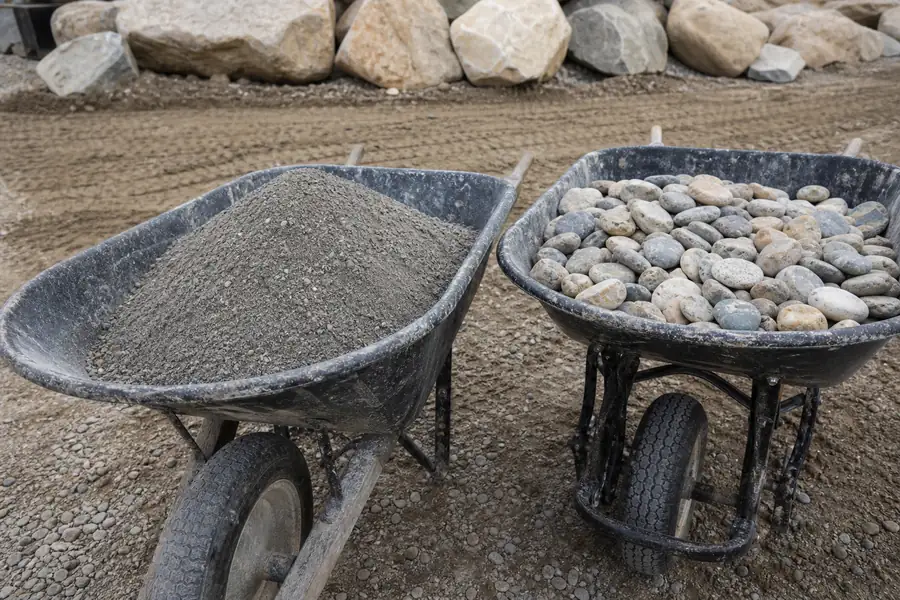
Colorado buyers often ask for gravel by a local name that doesn't match the bag label. Class 6 Road Base is the CDOT-spec crushed base course used under most driveways and parking pads, also called just Class 6 or roadbase. Squeegee is the Front Range name for quarter inch stone screenings, the fine crushed byproduct that packs hard under pavers. Crusher fines go by breeze or pathway fines too, and they're the same crushed, minus material used for garden paths across the metro area. For depth and compaction specifics on the most requested one, see our Class 6 Road Base guide for Colorado driveways.
Which Type of Gravel Fits Your Colorado Project
- Driveways and parking pads: Class 6 Road Base compacted 4 to 6 inches deep, topped with Driveway Gravel for the wear surface.
- Walkways and patios under pavers: Crusher Run or Stone Screenings, both of which compact hard and shed surface water instead of holding it.
- French drains and drainage beds: 3/4 inch crushed stone or Drain Rock, washed and open-graded so water moves through instead of pooling.
- Xeriscape beds and decorative borders: River Rock or Natural Pea Gravel, for the rounded look and low upkeep.
- Erosion control and slope stabilization: Riprap, sized heavy enough that runoff can't move it.
Front Range clay holds water and heaves when it freezes, and Colorado's frost line runs about 36 inches deep, so any base course under a driveway or slab needs enough compacted depth to stay ahead of that freeze-thaw cycle. Skimping on base depth, not picking the wrong surface stone, is what actually cracks Colorado driveways.
FAQs
What's the difference between crushed stone and gravel?
Crushed stone is rock that's been mined and mechanically crushed into angular pieces, while gravel is the broader term that includes both crushed stone and naturally rounded stone shaped by water or glaciers. All crushed stone is gravel, but not all gravel is crushed.
Which type of gravel compacts the best for a driveway?
Class 6 Road Base compacts the hardest of the common driveway materials because it's a crushed, minus grade with fines that fill the gaps between larger pieces. Crusher Run compacts almost as well and works well for walkways and smaller pads.
Can I use pea gravel for a driveway?
Pea gravel isn't a good driveway material because its rounded shape never locks together, so it shifts and ruts under vehicle weight. It works well for walkways, xeriscape beds and play areas where a soft, loose surface is fine.
How deep should gravel be for good drainage in Colorado?
Most drainage applications, like French drains or beds around downspouts, use 12 to 18 inches of washed stone such as 3/4 inch crushed stone or drain rock. Deeper beds handle more water volume, which matters during Colorado's spring snowmelt.
Does washed gravel cost more than minus gravel?
Washed gravel typically costs more per ton than minus gravel because it takes an extra processing step to screen out the fines. Minus grades like Class 6 Road Base and Crusher Run tend to be among the least expensive materials by the ton.